




Menopause may damage the gut years before final period: US Study
Sun 13 Sep 2026, 01:20:21
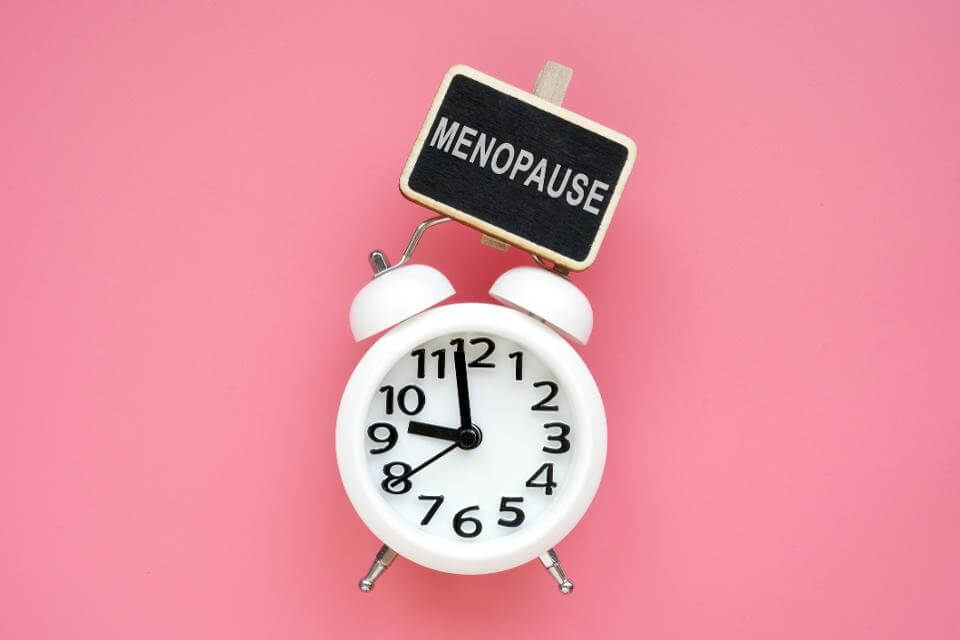
Menopause has long been recognized for its impact on bone health and cardiovascular risks, but new, groundbreaking research reveals a surprising new dimension: menopause is also linked to gut barrier damage and systemic inflammation. This discovery could transform how women worldwide, including millions in India, are supported through midlife and beyond.
The comprehensive study analysed 964 women in the US over 3,586 time points, spanning before, during, and after their final menstrual period. The research tracked key blood markers that reflect gut lining damage and immune activation caused by microbial leakage into the bloodstream.
The results uncovered a clear timeline showing how the drop in ovarian hormones during menopause compromises the gut barrier, igniting chronic inflammation.
This study reveals that the gut lining starts sustaining damage, a phenomenon also described as ‘leaky gut’, approximately 2.5 years before the final menstrual period, marked by a steady rise in a protein indicating intestinal cell damage.
Just six months later, an immune response marker also begins to climb. These changes peak six to six and a half years after menopause and then stabilise.
In total, gut damage markers rose about 26% and immune activation markers by 7.5%, reflecting a long-lasting period of gut vulnerability stretching nearly a decade. This timeline reshapes how menopausal health is viewed – beyond hot flashes and mood swings, it highlights a chronic, systemic shift affecting women’s long-term health.
India faces unique challenges in
menopause care. With the average age of menopause in Indian women at around 46 to 47 years – four to five years earlier than the global average – this gut-inflammation connection gains added urgency. Medical and lifestyle support for menopausal women in India remains limited, making awareness and new research-driven strategies critical.
menopause care. With the average age of menopause in Indian women at around 46 to 47 years – four to five years earlier than the global average – this gut-inflammation connection gains added urgency. Medical and lifestyle support for menopausal women in India remains limited, making awareness and new research-driven strategies critical.
Dr Anuradha Kapur, principal Director of obstetrics & gynaecology at Max Smart Hospital, emphasises that while it’s not yet proven that gut damage causes menopausal symptoms, maintaining gut health through diet, exercise, and lifestyle remains important.
Ovarian hormones such as oestradiol and progesterone play a vital role in maintaining the integrity of the gut lining. The menopause-related drop in these hormones weakens the gut’s protective barrier, allowing microbial products to leak into the bloodstream. This process, called microbial translocation, triggers chronic low-grade inflammation, a known factor in age-related conditions like heart disease and osteoporosis.
Dr Rohan Palshetkar, a fertility specialist and gynaecologist based in Mumbai, highlighted the clinical significance: “This study tracks women before and after menopause, showing ovarian ageing rather than just chronological ageing. It gives a possible biological connection between oestrogen decline and low-grade inflammation, which is linked to bone loss and cardiovascular risk."
Experts, however, also caution that these are indirect markers, and more research is needed before translating these findings into treatments like probiotics or hormone replacement therapies.
No Comments For This Post, Be first to write a Comment.
Most viewed from Health











Todays Epaper

English Weekly


AIMIM News




Latest Urdu News
Most Viewed
Aug 02, 2026
Should children under 16 be restricted from using social media?
Like Us
Home
About Us
Advertise With Us
All Polls
Epaper Archives
Privacy Policy
Contact Us
Download Etemaad App
© 2026 Etemaad Daily News, All Rights Reserved.