




Measles during pregnancy can put newborns at risk, doctors explain the warning signs
Mon 23 Nov 2026, 00:51:02
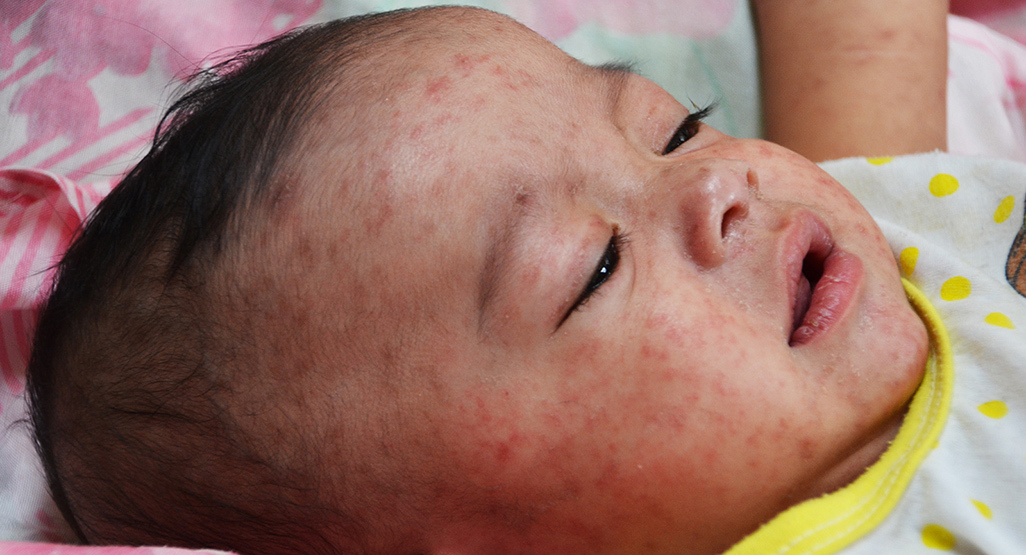
Measles is often considered a childhood infection that can be prevented through routine vaccination. However, recent reports of congenital measles cases in the United States have brought attention to a lesser-known risk: babies can sometimes be infected with the virus before they are even born.
While uncommon, measles during pregnancy can have serious consequences for both the mother and the baby. The virus can cross the placenta and infect the developing foetus. Infections occurring around the time of delivery can also expose newborns to the virus, potentially leading to neonatal measles.
The concern comes at a time when measles cases are rising in parts of the world, including the US, amid declining vaccination coverage and gaps in community immunity. An analysis published in NEJM Evidence in November 2026 reported 112 confirmed measles cases among pregnant women and 13 cases of congenital measles between January 2025 and September 28, 2026.
These cases have raised questions about how infections that are largely preventable through vaccination can affect some of the most vulnerable members of society.
Although congenital measles is
rare, newborns are particularly vulnerable because their immune systems are still developing. They may not be old enough to receive their first measles vaccine and depend partly on the protection passed on by their mothers and the immunity of people around them.
rare, newborns are particularly vulnerable because their immune systems are still developing. They may not be old enough to receive their first measles vaccine and depend partly on the protection passed on by their mothers and the immunity of people around them.
Yes, babies can be born with measles, although such cases are rare. Doctors explain that it is important to distinguish between congenital measles and neonatal measles.
Congenital measles occurs when a pregnant woman contracts the infection and the virus crosses the placenta, reaching the unborn baby. Neonatal measles, on the other hand, refers to an infection acquired by a newborn around the time of birth or shortly afterwards, including through exposure to an infected mother.
Dr Ishwar Gilada, Consultant for HIV and STDs at Unison Medicare and Research Centre, and President Emeritus of the AIDS Society of India, explained that maternal infection can sometimes pass to the foetus.
Since newborns have immature immune systems, the infection can be particularly serious. Possible complications include respiratory illness, pneumonia, dehydration and, in some cases, hospitalisation.
No Comments For This Post, Be first to write a Comment.
Most viewed from Health






Todays Epaper
English Weekly

AIMIM News




Latest Urdu News
Most Viewed
Aug 02, 2026
Should the government impose stricter measures to control air pollution in Indian cities?
Like Us
Home
About Us
Advertise With Us
All Polls
Epaper Archives
Privacy Policy
Contact Us
Download Etemaad App
© 2026 Etemaad Daily News, All Rights Reserved.