



Malaria vaccine price cut to protect 1 million more children
Mon 26 Oct 2026, 23:34:14
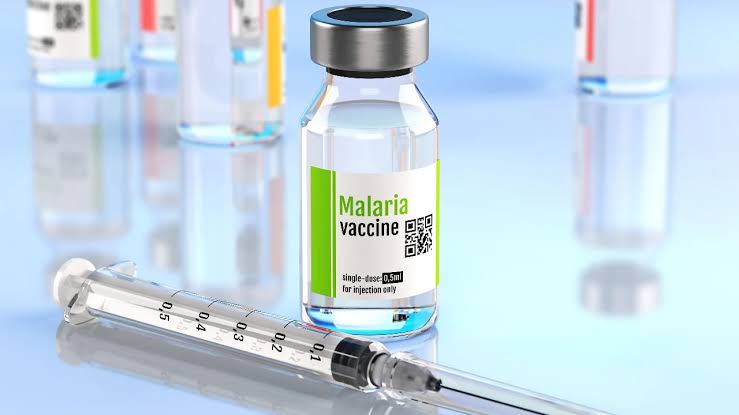
Under the agreement between Gavi, the Vaccine Alliance, and UNICEF, the price of the RTS,S/AS01 malaria vaccine will fall by around 40%, to €5.50 per dose. The reduction is expected to take effect in early 2027 and could save around $50 million for childhood immunisation programmes between 2027 and 2029. The change is subject to manufacturing and regulatory requirements.
Malaria is a potentially life-threatening disease spread through the bites of infected mosquitoes. Young children are particularly vulnerable, and severe malaria can lead to serious complications and death.
For years, developing a malaria vaccine was a major scientific challenge. That changed in 2021, when the World Health Organisation (WHO) recommended RTS,S/AS01 as the first malaria vaccine for widespread use among children at risk.
The vaccine was developed by GSK, PATH and their partners. Bharat Biotech is taking over its production to help increase supply, and
plans to manufacture it under the brand name Mosqivac.
plans to manufacture it under the brand name Mosqivac.
There is now a second WHO-recommended malaria vaccine, R21/Matrix-M, which received the recommendation in 2023. Both vaccines are intended to help protect children in areas where malaria is common.
A lower vaccine price means that countries could use their immunisation budgets to protect more children.
The new agreement is expected to save around $50 million over three years. According to Gavi and UNICEF, those savings could help provide the full four-dose vaccination course to up to one million additional children or allow countries to reach more children with other vaccines.
Demand for malaria vaccines has been higher than initially expected since their rollout began in 2024. UNICEF reports that more than 74 million doses have been procured and delivered so far, and malaria vaccination is now part of routine immunisation programmes in 25 African countries.
No Comments For This Post, Be first to write a Comment.
Most viewed from Health





Todays Epaper

English Weekly


AIMIM News

Latest Urdu News
Most Viewed
Aug 02, 2026
Should India introduce stricter laws against AI-generated fake videos and images?
Like Us
Home
About Us
Advertise With Us
All Polls
Epaper Archives
Privacy Policy
Contact Us
Download Etemaad App
© 2026 Etemaad Daily News, All Rights Reserved.