




LVPEI study finds natural compounds in broccoli may protect against eye disease
Sat 01 Aug 2026, 01:06:35
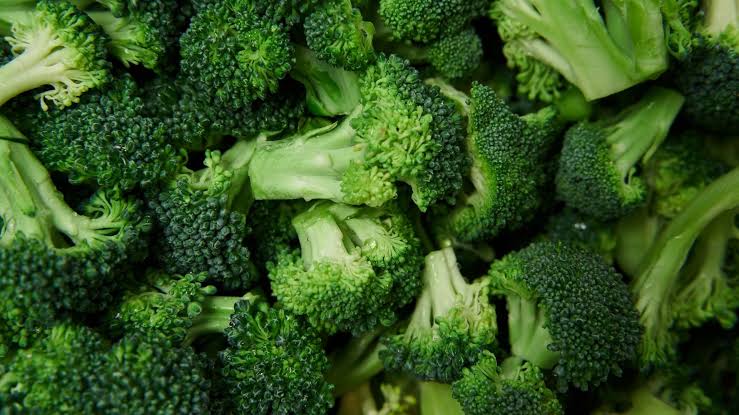
A natural compound, Sulforaphane, found in abundance in broccoli could hold the key to treating Keratoconus, a progressive eye disorder that weakens, thins, and distorts the cornea, according to a landmark study by researchers from Hyderabad-based LV Prasad Eye Institute (LVPEI) in collaboration with the NYU Grossman School of Medicine.
Published in Investigative Ophthalmology and Visual Science (May, 2026), the research reveals that Keratoconus is closely linked to a breakdown in NRF2, the body’s primary cellular defense pathway against oxidative stress. When the natural defense fails, corneal stromal cells suffer damage and die, leading to progressive vision loss.
To counter the cellular damage, researchers turned to Sulforaphane, a potent dietary compound produced when cruciferous vegetables like broccoli and broccoli sprouts, often referred to as a superfood due to its nutritional value, are chewed or crushed.
In laboratory experiments, treating damaged corneal cells with sulforaphane
successfully activated the NRF2 defense system. The compound lowered oxidative stress, prevented cell death, and restored the production of collagen essential for maintaining corneal shape and strength, the LVPEI-NYU researchers in their study said.
successfully activated the NRF2 defense system. The compound lowered oxidative stress, prevented cell death, and restored the production of collagen essential for maintaining corneal shape and strength, the LVPEI-NYU researchers in their study said.
While broccoli is widely recognized for its health advantages, including activating internal antioxidant networks, researchers clarify that simply eating more cooked broccoli is unlikely to treat the condition. Cooking heat deactivates the enzyme needed to generate sulforaphane, and dietary intake delivers minimal concentration directly to the eye tissue, researchers believe.
Instead, the study added that the real breakthrough lies in drug development, as the discovery paves the way for non-invasive, targeted therapies, such as specialized sulforaphane (from broccoli) eye drops. Combined with tear-based biomarkers identified in the study, research offers fresh hope for early diagnosis and non-surgical treatments for progressive corneal diseases, they added.
No Comments For This Post, Be first to write a Comment.
Most viewed from Health










Todays Epaper

English Weekly


AIMIM News




Latest Urdu News
Most Viewed
Aug 02, 2026
Should children under 16 be restricted from using social media?
Like Us
Home
About Us
Advertise With Us
All Polls
Epaper Archives
Privacy Policy
Contact Us
Download Etemaad App
© 2026 Etemaad Daily News, All Rights Reserved.