




LPG shortage could encourage healthier eating habits, says nutritionist
Thu 12 Mar 2026, 01:42:11

As tensions in West Asia continue to raise concerns about energy supply disruptions, India is beginning to feel some early effects.
One of the sectors already reporting issues is the hospitality industry, where hotel and restaurant owners say they are facing difficulties due to restrictions and shortages of commercial LPG cylinders.
While the situation has raised concerns among businesses and consumers, some experts believe it could also lead to a positive shift in the way people eat.
According to well-known nutritionist Ryan Fernando, the current situation may actually encourage Indians to return to healthier eating habits that rely less on heavily cooked and restaurant-style food.
Fernando said that crises in the past have sometimes led to positive lifestyle changes. He pointed out that India faced similar situations during the 1970s OPEC oil crisis and later during the Iraq War, when fuel shortages forced many households to adapt their cooking methods.
“In ancient India, food traditions like the sattvic diet and Ayurveda focused a lot on simple and raw foods,” Fernando explained. “Fruits, vegetables, and minimally cooked meals were a big part of daily eating habits.”
According to Fernando, the rise of food delivery apps and easy restaurant access has made eating outside a daily habit for many people, especially in cities. However, this convenience has also contributed to overeating and unhealthy food choices.
He believes that the LPG shortage could push people to reconsider their habits and return to simpler home meals.
“For years, I have been telling people to eat ghar ka khana,” he said. “Many Indians today order food online almost every day. But restaurant food is designed to taste good, not necessarily to be nutritious.”
Fernando explained that when people cook at home, they usually choose better ingredients and control the amount of oil, salt, and sugar used in their meals.
The nutritionist suggested that the situation could encourage people to reduce the number of cooked meals they eat every day. Instead, they can include more foods that require little or no cooking.
These include:
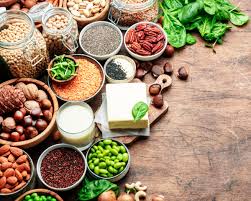
Fresh fruits such as apples, bananas, and mangoes
Raw vegetables like cucumber and carrots
Salads and fruit bowls
Protein smoothies
Overnight oats
Fernando said such foods not only require less cooking gas but can also improve overall health.
“During the pandemic, many people unintentionally tried intermittent fasting because their daily routines changed. Some skipped breakfast and ate only lunch and dinner. A lot of people actually lost weight and improved their cholesterol levels,” he noted.
For meals that do require cooking, Fernando suggested several practical ways
households can reduce gas usage.
households can reduce gas usage.
One simple method is soaking grains and pulses before cooking.
“When you soak rice, it cooks about 25 per cent faster,” he explained. “Soaking lentils overnight can reduce cooking time by 40 to 50 per cent.”
Batch cooking is another solution. Fernando said people can cook rice in larger quantities and safely store it for up to three days in the refrigerator, reheating only what they need.
He also recommended using pressure cookers more frequently.
“Pressure cookers can reduce gas usage by up to 75 per cent and often retain more nutrients in the food,” he said.
Fernando also believes that the current situation may help people reduce their reliance on oily and heavily cooked food.
Traditional Indian cooking often involves high heat, oil, and tempering with spices, known as tadka. But he says lighter cooking methods can be just as effective.
“In the old days, people even used water-based tempering instead of large amounts of oil or ghee,” he said.
He also suggested using grilling or air-frying as alternatives to deep-frying, as these methods require less oil and can make meals healthier.
Addressing common concerns about microwave cooking, Fernando said many people worry about radiation from microwave ovens. While he personally uses his microwave only to heat water, he believes there are better alternatives for cooking efficiently.
One such option is induction cooking.
“Induction stoves are actually 50 to 70 per cent more efficient than LPG in terms of heating,” he said. “But many households still prefer gas stoves simply because they are used to them.”
Switching to induction cooking, he suggested, could help households reduce their dependence on LPG.
Fernando also spoke about the rapid rise of food delivery culture in India. According to him, eating outside used to be a special occasion for most families. Today, however, ordering food online has become routine.
“Restaurant food is designed for taste, not nutrition,” he said. “It usually contains more oil, sugar, and salt.”
He encouraged people to think more carefully about what their bodies actually need.
“Your body is the most valuable real estate you will ever own,” he said. “Taking care of it should be a priority.”
While the LPG shortage has raised concerns among businesses and households, Fernando believes it may also offer an opportunity to reset unhealthy habits.
By relying more on fresh fruits, vegetables, simple home-cooked meals, and efficient cooking methods, Indians could improve both their health and their cooking practices.
“In the long run,” he said, “eating simpler food from nature may actually be better for our bodies.”
No Comments For This Post, Be first to write a Comment.
Most viewed from Health








Todays Epaper

English Weekly


AIMIM News





Latest Urdu News
Most Viewed
May 26, 2020
Which cricket teams will reach the IPL 2026 finals?
Latest Videos View All
.jpg)
.jpg)
.jpg)


Like Us
Home
About Us
Advertise With Us
All Polls
Epaper Archives
Privacy Policy
Contact Us
Download Etemaad App
© 2026 Etemaad Daily News, All Rights Reserved.