




Living near green spaces linked to 21% lower dementia risk: Study
Wed 28 Oct 2026, 11:00:55
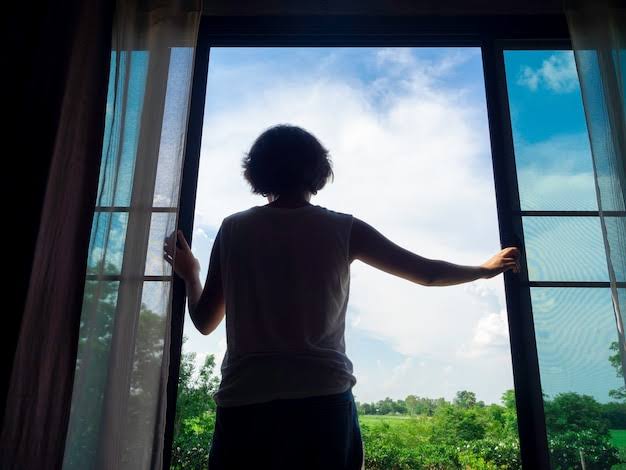
Living close to parks, trees and other green spaces may be associated with a lower risk of developing dementia in older adults, according to a Swedish study that followed nearly 3,000 people for 16 years.
The research, published in Alzheimer’s & Dementia, found that older adults with more greenery within 100 metres of their homes had a lower incidence of dementia. The association was stronger among women than men.
Researchers followed 2,993 participants who did not have dementia at the beginning of the study. During the 16-year follow-up period, 477 participants developed clinically diagnosed dementia.
To assess exposure to greenery, the researchers measured vegetation around participants’ homes within three distances: 100 metres, 250 metres and 500 metres. They then examined the relationship between the amount of greenery and the likelihood of developing dementia.
The findings showed that greater green space within 100 metres of a person's home was associated with a 21% lower hazard of dementia. The researchers reported a hazard ratio of 0.79, with a 95% confidence interval ranging from 0.64 to 0.96.
A hazard ratio compares the rate at which an outcome occurs between groups over time. In this study, the result suggests that people with greater nearby greenery experienced a lower rate of dementia during the follow-up period.
However, the association became weaker when
researchers examined larger areas around homes. This suggests that the immediate residential environment may be particularly relevant, although further research is needed to understand why.
researchers examined larger areas around homes. This suggests that the immediate residential environment may be particularly relevant, although further research is needed to understand why.
The study adds to growing interest in how the environment in which people live may influence their health as they age.
Green spaces may offer several benefits that could indirectly support brain health. Trees and vegetation can help reduce exposure to certain air pollutants, while green surroundings may also help buffer traffic noise. Both air pollution and prolonged noise exposure have been investigated for their possible links with cognitive health.
Access to parks and green neighbourhoods may also encourage people to walk, exercise and spend time outdoors. Regular physical activity is important for cardiovascular health, and maintaining good heart and blood vessel health is relevant to brain function.
Spending time in natural surroundings may also help reduce stress and support mental wellbeing. Parks and community green spaces can provide opportunities for social interaction, which may help older adults remain connected to others.
However, these are possible explanations rather than mechanisms proven by this particular study. The researchers examined the relationship between residential greenery and dementia incidence, rather than establishing that each of these benefits directly explained the findings.
No Comments For This Post, Be first to write a Comment.
Most viewed from Health












Todays Epaper

English Weekly


AIMIM News





Latest Urdu News
Most Viewed
Aug 02, 2026
Should India introduce stricter laws against AI-generated fake videos and images?
Like Us
Home
About Us
Advertise With Us
All Polls
Epaper Archives
Privacy Policy
Contact Us
Download Etemaad App
© 2026 Etemaad Daily News, All Rights Reserved.