




Know the causes, risks, symptoms, treatment of Bird flu outbreak in Kerala
Wed 24 Dec 2025, 01:05:21
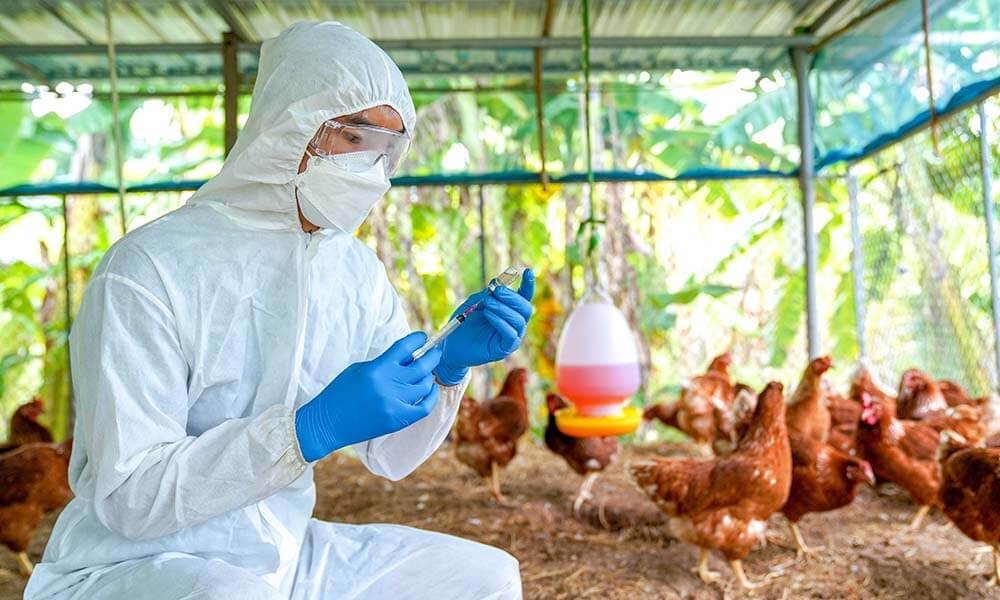
An outbreak of bird flu (H5N1) in Kerala’s Alappuzha district has raised public health concerns across the country. Have you heard about bird flu? If not, then don’t worry. We help you to understand what exactly it is, the causes, symptoms, risk, and even the treatment. It is time that people should stay vigilant and take charge of their health. So, read this article without fail and follow the guidelines given by the expert.
Currently, bird flu (Avian influenza) is creating havoc in India. Bird flu, also known as avian influenza, is a viral infection that primarily affects birds but can sometimes infect humans who come into close contact with infected birds or even contaminated environments. Did you know? The outbreak is caused by the highly pathogenic avian influenza A(H5N1) virus, which spreads easily among birds such as ducks, chickens, and wild waterfowl.
According to Dr Aarti Ullal Physician and diabetologist at Gleneagles Hospital, Parel, those who tend to handle sick or dead birds, interact with contaminated surfaces, or work closely with poultry without protective gear are at a greater risk of suffering from bird flu. Hence, those who are exposed to infected birds should be cautious while dealing with them. Moreover, poultry workers, farmers, and people living in affected areas should also exercise caution. The cases of bird flu are now creating an environment of fear amongst all.
Symptoms of bird flu in humans
Those who are at risk of bird flu are displaying symptoms similar to influenza, such as fever, cough, sore throat, fatigue, body aches, and
difficulty breathing. Severe infections can lead to pneumonia, respiratory failure, vomiting, diarrhoea, low blood pressure and oxygen levels, and chest pain. It is the need of the hour to consult an expert who will be able to detect the underlying problem behind the symptoms and initiate timely intervention. If the person is detected to have bird flu, then the expert will have to design a proper line of treatment.
difficulty breathing. Severe infections can lead to pneumonia, respiratory failure, vomiting, diarrhoea, low blood pressure and oxygen levels, and chest pain. It is the need of the hour to consult an expert who will be able to detect the underlying problem behind the symptoms and initiate timely intervention. If the person is detected to have bird flu, then the expert will have to design a proper line of treatment.
Treatment options for bird flu
The treatment includes quick medical care, antiviral medications to manage the symptoms such as fever, prompt hydration, and rest. If one’s condition is severe and he/she suffer from breathlessness, then there will be a need for hospitalisation. The person shouldn’t be treated at home with home remedies or over-the-counter medications without the doctor’s knowledge.
Preventive measures to reduce bird flu risk
It is necessary to take the influenza vaccine, avoid touching infected birds with bare hands, use gloves, and wash hands thoroughly after touching the birds or contaminated surfaces. Likewise, wash your hands even after handling raw poultry or eggs. Cook poultry products properly, as they shouldn’t be raw, and follow local health advisories to reduce the risk of bird flu. So, be careful, follow these tips, and you will surely be able to prevent bird flu.
Disclaimer: Tips and suggestions mentioned in the article are for general information purposes only and should not be construed as professional medical advice. Always consult your doctor or a dietician before starting any fitness programme or making any changes to your diet.
No Comments For This Post, Be first to write a Comment.
Most viewed from Health







Todays Epaper

English Weekly


AIMIM News







Latest Urdu News
Most Viewed
May 26, 2020
Which cricket team is your favourite to win the T20 World Cup 2026?
Latest Videos View All
.jpg)
.jpg)
.jpg)



Like Us
Home
About Us
Advertise With Us
All Polls
Epaper Archives
Privacy Policy
Contact Us
Download Etemaad App
© 2026 Etemaad Daily News, All Rights Reserved.