




Kerala confirms sixth death from rare infection Brain-eating amoeba in a month
Fri 12 Sep 2025, 00:57:16
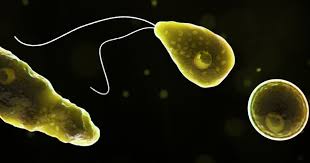
Kerala is facing a worrying spike in infections caused by Naegleria fowleri. It is often called the “brain-eating amoeba.” Over the past month alone, multiple deaths have been reported, and several new cases are under treatment, putting health authorities on high alert.
This rare disease, primary amoebic meningoencephalitis (PAM), is not just scary cause of its name. It progresses fast, is almost always fatal, and often strikes when people least expect it, after a trip to a pond, a well, or other freshwater body.
What’s happening in Kerala now
According to recent reports, Kerala has recorded at least 42 confirmed cases of PAM so far this year. In just a month, the death toll has surpassed six, with victims ranging from infants to the elderly.
Active cases, including children and critical patients, go to hospitals in districts like Kozhikode, Malappuram, and Wayanad. In some instances, patients reportedly bathed in ponds or used untreated water before falling ill.
What is Naegleria fowleri, and how does infection occur?
Naegleria fowleri is a microscopic amoeba found in warm waters such as ponds, lakes, soil, and unchlorinated water bodies. When water containing this enters one's nose (swimming, bathing, or ritual use), they are in danger. From the nose, the amoebae travel along the olfactory nerve
into the brain, causing dangerous inflammation.
into the brain, causing dangerous inflammation.
Symptoms begin with fever, headache, nausea, vomiting, and quickly escalate to stiff neck, confusion, seizures, and often coma. Because the infection progresses quickly, delayed diagnosis often proves fatal.
What’s being done and what more is needed
The state government has launched the “Water is Life” campaign aimed at improving water safety. These measures include chlorinating wells and public bathing places, cleaning the pond, and placing caution signs around hazardous water bodies.
Diagnostic capability is also being scaled up. Labs in Kerala are stepping up their ability to test for free-living amoebae using methods like real-time PCR and genomic sequencing to catch cases early.
Public awareness is being pushed too; authorities are urging people to avoid entering untreated or stagnant water, to use nose protection if entering such water, and to seek medical help immediately if symptoms arise after water exposure.
Why prevention matters
Because there’s no universally effective cure for PAM, prevention and early detection are the best defences. Simple steps, like ensuring water bodies are clean, using treated water, and avoiding diving or letting water enter your nose during freshwater contact, can make a big difference.
No Comments For This Post, Be first to write a Comment.
Most viewed from Health








Todays Epaper

English Weekly


AIMIM News







Latest Urdu News
Most Viewed
May 26, 2020
Which cricket team is your favourite to win the T20 World Cup 2026?
Latest Videos View All
.jpg)
.jpg)
.jpg)



Like Us
Home
About Us
Advertise With Us
All Polls
Epaper Archives
Privacy Policy
Contact Us
Download Etemaad App
© 2026 Etemaad Daily News, All Rights Reserved.