




Karnataka plans India's first women's health policy with menopause in focus
Fri 07 Aug 2026, 01:10:25
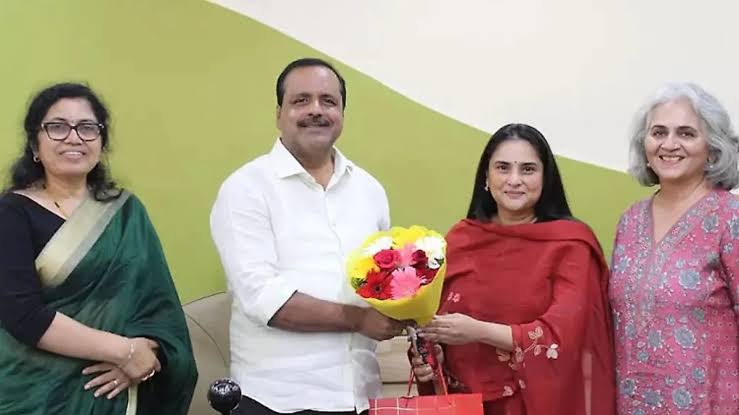
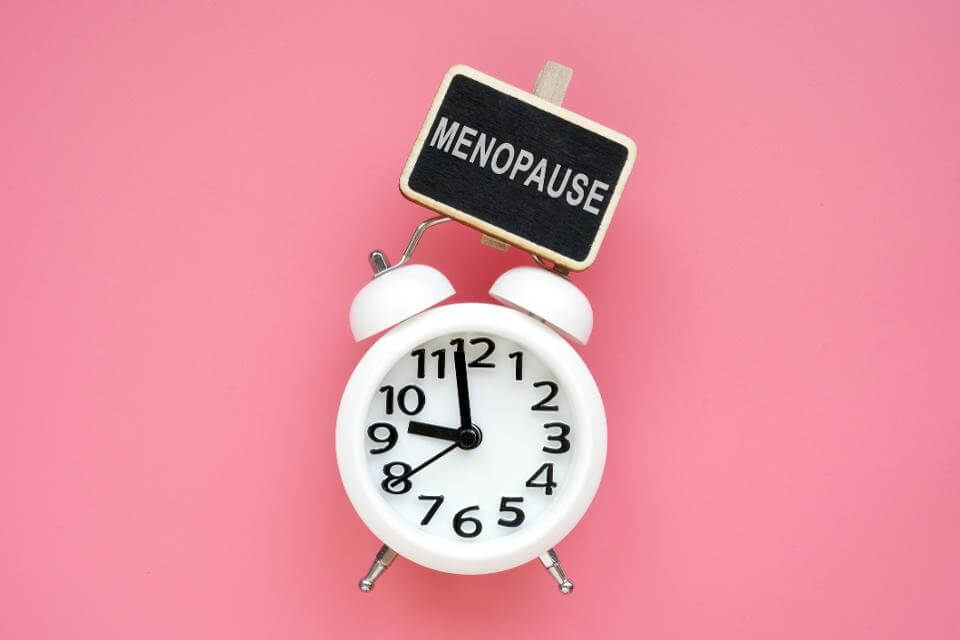
Menopause has long remained one of the least discussed stages in a woman's life, despite affecting millions across India. Many women silently experience symptoms such as hot flashes, sleep disturbances, mood changes, anxiety and joint pain without recognising that these changes are linked to menopause. Lack of awareness, limited conversations within families and inadequate support from healthcare systems often leave women struggling alone.
Now, according to reports, Karnataka is planning to change that. The state government has announced plans to introduce what could become India's first dedicated Women's Health Policy, with menopause emerging as one of its major focus areas. The initiative aims to improve awareness, encourage early identification of symptoms and make it easier for women to access the care and support they need during this important stage of life.
According to reports, Karnataka Health and Family Welfare Minister U.T. Khader said the state aims to develop a comprehensive policy focused exclusively on women's health. The proposed policy will include a separate monitoring mechanism and an advisory committee comprising experts from the medical and social sectors.
MENOPAUSE TO BE A KEY FOCUS OF THE POLICY
According to reports, the state government will launch an awareness programme called Ruthuthare as the first step towards the larger Women's Health Policy.
The programme will focus on educating women about menopause, healthy nutrition, regular exercise, quality sleep, lifestyle changes and self care. It also aims to help families understand that menopause is a natural biological transition that can bring physical as well as emotional changes.
According to reports, the Health Minister said menopause remains one of the most neglected areas of healthcare even though it affects millions of women between the ages of 40 and 60. He noted that many women experience hormonal changes, mood swings and psychological symptoms that often go unrecognised by both family members and, in some cases, healthcare providers.
The awareness campaign will also encourage women to speak openly about menopause instead of suffering in
silence.
silence.
According to reports, Accredited Social Health Activists, commonly known as ASHA workers, will play a major role in implementing the programme across Karnataka.
The state government plans to train master trainers first, who will then train district officials, taluk level staff and ASHA workers. During routine household visits, ASHA workers will use a standard checklist to identify women who may be experiencing menopause-related symptoms.
Initially, the programme will focus on awareness, preventive care and lifestyle guidance. Women who require further medical evaluation or treatment will be referred to healthcare facilities.
According to reports, Karnataka has nearly 42 lakh women aged 40 to 60. Officials estimate that while many women can manage menopause with lifestyle changes and counselling, around 10 to 15 per cent may require additional medical support.
As part of its long-term plans, the state also hopes to establish dedicated Mid-Life Women Clinics across districts and taluks to provide counselling, specialist consultations and treatment for menopause related concerns. The government is also exploring the possibility of introducing DEXA scan machines in the future to assess bone health, which can become a concern after menopause.
The proposed policy may also encourage menopause awareness programmes in workplaces such as IT companies, garment factories and other large organisations. Employers could eventually be encouraged to include menopause-related care as part of employee health benefits.
According to reports, the Karnataka government also plans to study why Indian women often experience menopause at a younger age than women in several other countries. Researchers may examine factors such as diet, stress, working conditions and lifestyle.
If implemented successfully, the initiative could become a model for other states and help bring menopause into mainstream healthcare discussions across the country. For millions of women who have often felt overlooked during this phase of life, the policy could mark an important step towards greater awareness, better support and improved access to healthcare.
No Comments For This Post, Be first to write a Comment.
Most viewed from Health








Todays Epaper

English Weekly


AIMIM News


Latest Urdu News
Most Viewed
Aug 02, 2026
Should children under 16 be restricted from using social media?
Like Us
Home
About Us
Advertise With Us
All Polls
Epaper Archives
Privacy Policy
Contact Us
Download Etemaad App
© 2026 Etemaad Daily News, All Rights Reserved.