




Kaju barfi may contain aluminium varak that can harm your liver, warns doctor
Sun 06 Sep 2026, 01:16:55
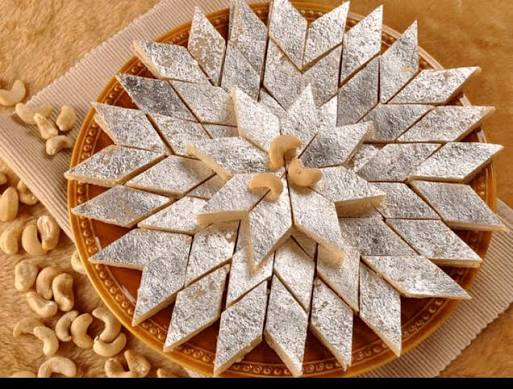
Chandi varak, the thin shiny foil commonly placed on Indian sweets, is often associated with traditional sweets and festive celebrations. While the foil used on sweets may be pure silver, concerns can arise when the material is contaminated with other metals such as aluminium. According to Dr Anil Arora, Chairperson, Institute of Liver Gastroenterology, Sir Ganga Ram Hospital, occasional consumption of contaminated foil may not be enough to cause harm, but regular consumption over a long period could pose a risk if the foil contains heavy metals.
The doctor explained that genuine silver foil is made from very pure silver and is typically a very thin film. He said such foil is required to meet food safety standards and be confirmed as safe for human consumption. However, concern arises when what is being presented as silver foil is contaminated with metals such as aluminium, arsenic or cadmium.
Dr Arora said that continued consumption of sweets covered with contaminated foil could potentially lead to heavy metal poisoning. Such exposure may affect major organs, including the brain, kidneys and liver. He stressed that eating contaminated foil once in a while is not necessarily enough to cause such effects, with the concern being more relevant to long term and repeated consumption.
WHAT IS THE CONCERN WITH VARAK?
According to Dr Arora, the foil placed on sweets may be pure silver, which can be 99.9% silver. It is generally made into an extremely thin film for use on food. The concern is when the foil becomes contaminated with other metals.
He specifically mentioned aluminium, arsenic and cadmium as metals that can contaminate what is being used
as silver foil. If such contamination is present and the foil is consumed repeatedly over a long period, there may be a risk of heavy metal poisoning.
as silver foil. If such contamination is present and the foil is consumed repeatedly over a long period, there may be a risk of heavy metal poisoning.
The doctor said this exposure could potentially have harmful effects on organs such as the brain, kidneys and liver.
HOW CAN YOU IDENTIFY THE FOIL?
Dr Arora said consumers may find it difficult to distinguish between genuine silver foil and contaminated material simply by looking at the sweet.
He explained that genuine silver foil is generally thin, very shiny and extremely light. A blackish or visibly contaminated film, according to him, may be more likely to indicate contamination with aluminium.
However, he also pointed out that it is not easy for an ordinary consumer to determine whether the foil used on a sweet is genuine silver or contaminated material.
LONG TERM EXPOSURE IS THE MAIN CONCERN
The key message from Dr Arora is that occasional consumption of contaminated foil should not be confused with repeated exposure over a long period. While a single or occasional instance may not be enough to cause heavy metal poisoning, continued consumption could pose a greater concern if the foil contains harmful metals.
With consumers often unable to verify the composition of the foil themselves, the responsibility of ensuring that the material placed on sweets is safe becomes even more important.
For consumers, the advice is to be aware of the quality of sweets and the material used on them, while food safety authorities and manufacturers have a role in ensuring that the foil used for food is safe for consumption.
No Comments For This Post, Be first to write a Comment.
Most viewed from Health







Todays Epaper

English Weekly


AIMIM News




Latest Urdu News
Most Viewed
Aug 02, 2026
Should India introduce stricter laws against AI-generated fake videos and images?
Like Us
Home
About Us
Advertise With Us
All Polls
Epaper Archives
Privacy Policy
Contact Us
Download Etemaad App
© 2026 Etemaad Daily News, All Rights Reserved.