




Infections linked to over 1.9 lakh cancer cases in India
Sat 03 Oct 2026, 01:42:17
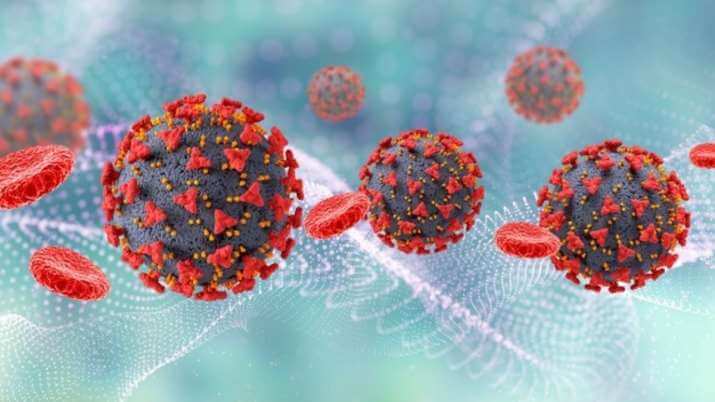
Nearly 1.9 lakh new cancer cases in India every year can be attributed to infections, according to a new study by the World Health Organisation’s International Agency for Research on Cancer (WHO-IARC). With India recording an estimated 15.62 lakh new cancer cases in 2024, this means infections were linked to more than 12% of all new malignancies that year.
Globally, the study estimated that about 23 lakh, or 2.3 million, new cancer cases were attributable to infections.
The researchers examined 12 infectious agents classified as group 1 carcinogens – meaning there is sufficient evidence that they can cause cancer in humans.
These include human papillomavirus (HPV), Helicobacter pylori, hepatitis B and C viruses, Epstein–Barr
virus (EBV), human immunodeficiency virus (HIV) and Kaposi's sarcoma-associated herpesvirus, among other infectious and parasitic agents.
virus (EBV), human immunodeficiency virus (HIV) and Kaposi's sarcoma-associated herpesvirus, among other infectious and parasitic agents.
But the term “attributable to” needs some context. The study does not mean that 1.9 lakh people simply contracted an infection and then developed cancer. The estimate is based on population-attributable fractions – a measure used to calculate how much of the cancer burden in a population can be linked to a particular risk factor.
Infections can increase cancer risk through several mechanisms. Some viruses can interfere directly with cellular processes, while chronic infections can cause prolonged inflammation, tissue damage and changes that, over years, may contribute to cancer development.
No Comments For This Post, Be first to write a Comment.
Most viewed from Health










Todays Epaper

English Weekly


AIMIM News




Latest Urdu News
Most Viewed
Aug 02, 2026
Should UPI payments remain completely free for all transactions?
Like Us
Home
About Us
Advertise With Us
All Polls
Epaper Archives
Privacy Policy
Contact Us
Download Etemaad App
© 2026 Etemaad Daily News, All Rights Reserved.