




Heatwave alert in India: Doctor shares 6 do’s and don’ts to stay safe
Sun 26 Apr 2026, 01:55:45
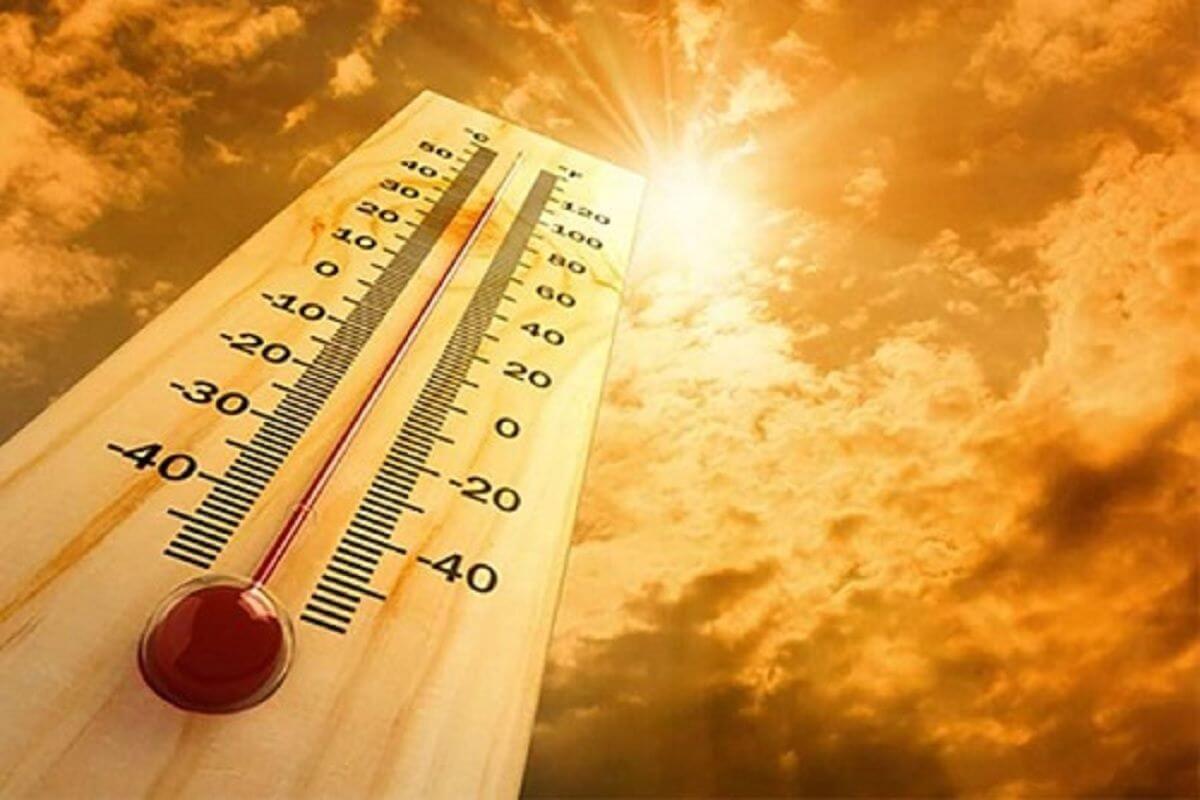
With several states in India witnessing rising temperatures and heatwave warnings, doctors are urging people to take the situation seriously.
Prolonged exposure to extreme heat can have serious consequences on the body, ranging from mild dehydration to life-threatening heat stroke.
Every year, heatwaves lead to a spike in hospital visits, especially among vulnerable groups such as children, the elderly, and those with pre-existing health conditions.
While stepping out in the sun may seem unavoidable due to work or daily routines, experts say that a few simple lifestyle changes can significantly reduce the risk of falling ill.
From staying hydrated to avoiding peak heat hours, preventive measures are not just helpful but necessary during this time.
Knowing the early signs of heat-related illnesses can also help in taking timely action and avoiding complications.
WHY HEATWAVES ARE DANGEROUS
Heatwaves are not just about discomfort. When the body is exposed to high temperatures for long periods, it struggles to regulate its internal temperature. This can lead to dehydration, heat exhaustion, and in severe cases, heat stroke, which is a medical emergency.
Symptoms can escalate quickly if ignored, making awareness and early prevention extremely important.
1. STAY HYDRATED, EVEN IF YOU ARE NOT THIRSTY
One of the most important steps during a heatwave is to keep the body hydrated. Doctors advise drinking water regularly, even if you do not feel thirsty.
Fluids like oral rehydration solutions (ORS), coconut water, and fresh fruit juices can help maintain electrolyte balance. On the other hand, alcohol, caffeinated beverages, and sugary soft drinks should be avoided as they can worsen dehydration.
2. AVOID STEPPING OUT DURING PEAK HEAT HOURS
Limiting outdoor activity between 11 am and 4 pm is crucial, as this is when the sun is at its strongest. If stepping out is unavoidable, wearing light-coloured, loose-fitting clothes can help keep the body cool.
Using protective accessories such as hats, sunglasses, or umbrellas can also reduce direct exposure to sunlight.
3. KEEP
YOUR SURROUNDINGS COOL
YOUR SURROUNDINGS COOL
Staying indoors in a cool environment is equally important. Using curtains, fans, or air conditioning can help reduce indoor temperatures.
Simple measures like taking cold showers or placing a damp towel on the body can also provide relief from the heat.
4. WHO NEEDS EXTRA CARE?
Certain groups are more vulnerable during heatwaves. Children, elderly individuals, and people with existing medical conditions need extra attention and care.
It is also important to never leave children or pets inside parked cars, as temperatures inside vehicles can rise to dangerous levels within minutes.
5. WHAT TO EAT DURING EXTREME HEAT
Diet plays a key role in managing body temperature. Light meals that are easy to digest are recommended.
Including fruits and vegetables with high water content, such as watermelon, cucumber, and oranges, can help keep the body hydrated and cool.
6. WATCH OUT FOR WARNING SIGNS
Recognising early symptoms of heat-related illnesses can prevent complications. Warning signs include excessive sweating, dizziness, fatigue, nausea, and confusion.
If these symptoms worsen or do not improve, seeking medical attention immediately is crucial.
DOCTOR’S ADVICE
According to Dr Bhupesh Kumar Mansukhani, Director of Neurology at Neuromet Wellness Care & Diagnostics, Gurgaon, heatwaves should not be taken lightly.
He emphasises that staying hydrated, avoiding peak sun exposure, and taking preventive measures can significantly reduce health risks.
He also highlights that awareness is key, and people must listen to their bodies and act promptly if they experience any unusual symptoms.
As heatwave conditions continue across parts of India, following basic precautions can make a significant difference.
Staying alert, hydrated, and informed is the best way to protect yourself and your family during extreme weather conditions.
With the right steps, most heat-related illnesses are preventable, making awareness the strongest defence against rising temperatures.
No Comments For This Post, Be first to write a Comment.
Most viewed from Health









.jpg)

Todays Epaper

English Weekly


AIMIM News







Latest Urdu News
Most Viewed
May 26, 2020
Which cricket teams will reach the IPL 2026 finals?
Latest Videos View All
.jpg)
.jpg)
.jpg)

Like Us
Home
About Us
Advertise With Us
All Polls
Epaper Archives
Privacy Policy
Contact Us
Download Etemaad App
© 2026 Etemaad Daily News, All Rights Reserved.