




FSSAI flags misleading organic and zero maida claims by food brands
Wed 17 Jun 2026, 01:10:52
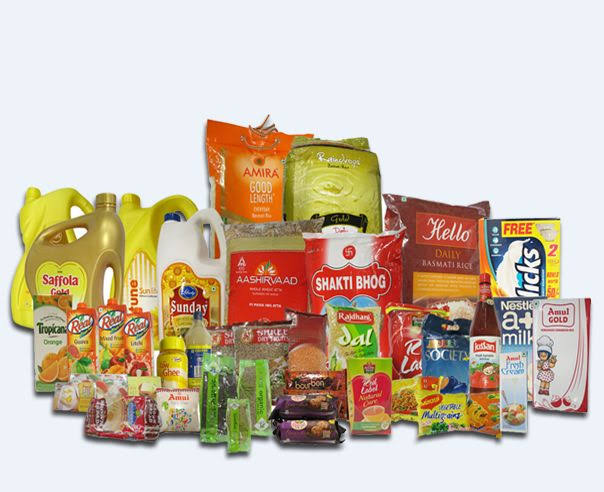
Consumers often rely on words such as "healthy", "organic", "vegan", and "zero maida" while choosing food products for themselves and their families. However, FSSAI has found several popular brands making claims and using trade names that could potentially mislead consumers about the true nature of their products.
The Food Safety & Standards Authority of India (FSSAI) has issued notices to several food business operators (FBOs) for violating provisions of the FSS Act, 2006, regarding misleading brand names, trade names, and product claims. The regulator has directed the FBOs to strictly comply with labelling and display regulations following complaints about misleading claims and branding.
The product by Healthy Master, with the tagline "Vision to Serve Healthy", was found by FSSAI to have branding that may mislead consumers regarding the nature of the product. The authority said such claims can create a false perception among consumers about the health benefits of products.
FSSAI found Neuherbs' multivitamin brand "True Vitamin" misleading, as the term is neither defined nor recognised under existing regulations and may create an incorrect impression among consumers.
Vegan food producer Plan B Plant-Based Vegan was also reviewed by the authorities and found to be using a trade name likely to mislead consumers, as the products had not obtained prior approval for vegan food endorsement under FSSAI norms.
Similarly, Health Factory's "Zero Maida Whole Wheat Bread" and Healthy Food Factory's "Zero Maida Pizza Base" were found to be potentially misleading, as the products contain ingredients that may not support such claims under applicable regulations.
Several products promoting themselves as "healthy" also came under regulatory scrutiny.
Troovy's Healthy Mix Veggie Chips, Healthy
Ragi Chips, and Healthy Moong Dal Chips were flagged for making "healthy" claims despite containing multiple ingredients that could make such branding misleading.
Ragi Chips, and Healthy Moong Dal Chips were flagged for making "healthy" claims despite containing multiple ingredients that could make such branding misleading.
The brand "Healthy Choice Healthy Food of Healthy Life Poha" was also found likely to mislead consumers through its branding and marketing message.
The edible oil brands Emami Healthy & Tasty and Health Aid were similarly found to use trade names and claims that could create misleading impressions about the health attributes of their products.
FSSAI also reviewed several brands claiming to offer organic products. Organic Wisdom, Shine Organic, Two Brothers Organic Farms, and World of Organic were found likely to mislead consumers about the organic status of their products because they lacked mandatory certifications, endorsements, and the Jaivik Bharat logo.
The authorities also flagged Storia Pomegranate Juice for creating the impression that it was primarily pomegranate juice despite containing only 4% pomegranate juice concentrate.
Packaged drinking water brand "Lota Water – Feel the Difference" was found to be making misleading claims regarding added minerals. FSSAI noted that regulations do not permit products to highlight nutrients added merely to compensate for losses during processing.
FSSAI said consumers often choose food products based on claims related to health, nutrition, vegan status, organic certification, or purity. However, misleading branding and promotional campaigns can influence purchasing decisions and potentially deceive consumers about the actual nature and quality of products.
The regulator has directed food business operators to ensure compliance with food safety and labelling regulations to protect consumers from deceptive marketing practices and maintain transparency in the food sector.
No Comments For This Post, Be first to write a Comment.
Most viewed from Health








Todays Epaper

English Weekly


AIMIM News



Latest Urdu News
Most Viewed
Aug 02, 2026
Should children under 16 be restricted from using social media?
Like Us
Home
About Us
Advertise With Us
All Polls
Epaper Archives
Privacy Policy
Contact Us
Download Etemaad App
© 2026 Etemaad Daily News, All Rights Reserved.