




Food industry seeks review before SC warning-label decision
Wed 09 Sep 2026, 23:53:28
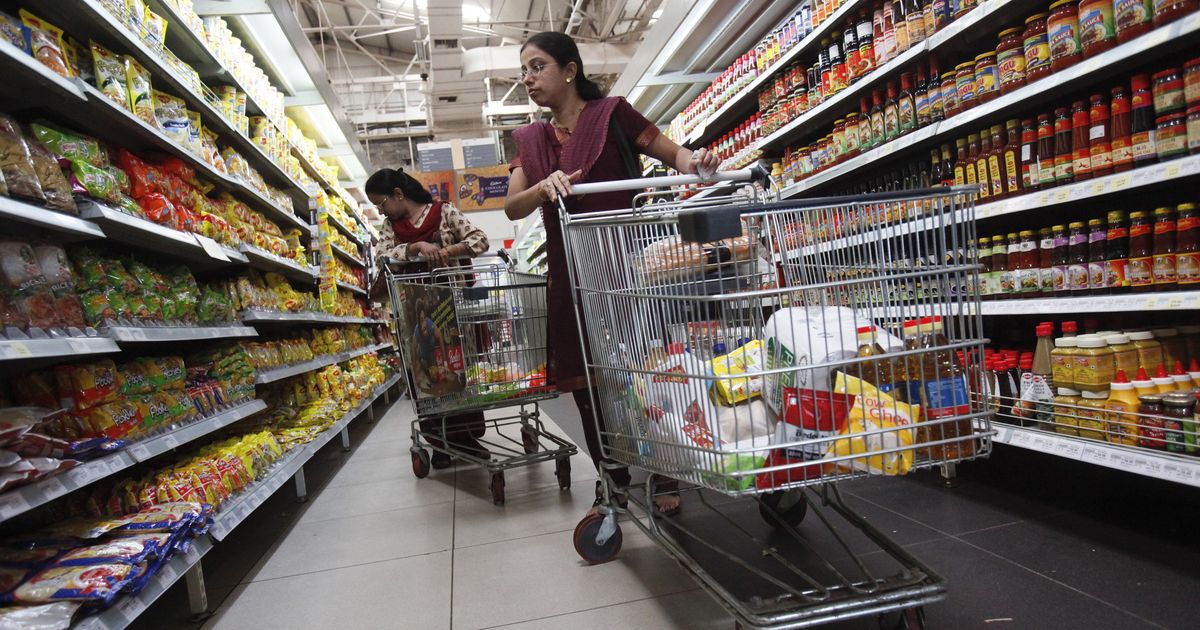
With the Supreme Court expected to take a final call on front-of-pack warning labels for packaged foods high in sugar, salt and fat on September 10, the food processing industry has made a fresh intervention seeking a further scientific review of the proposed framework.
In an affidavit filed on September 9, the All India Food Processors Association (AIFPA), which says it represents more than 600 corporate members across multinational and national brands, small and medium foodmakers, startups and academic bodies, has argued that the proposed thresholds for identifying high-fat, high-sugar and high-salt foods need to be re-examined before they are finalised.
The network also has Nestle India, ITC, Haldiram and several other food makers as its members.
The intervention comes at a crucial stage in the long-running case, with the Food Safety and Standards Authority of India (FSSAI) already telling the apex court that it supports the introduction of a front-of-pack nutrition labelling framework, which, however, has received flak for several loopholes.
Public health and nutrition experts, now, see AIFPA's latest affidavit as another attempt by the industry to delay or dilute a regulation that could require prominent warnings on packaged foods considered high in nutrients linked to obesity and other non-communicable diseases.
Dr Arun Gupta, a paediatrician and convenor, Nutrition Advocacy in Public Interest (NAPi) who has been closely following the case, said the industry's arguments were aimed at reopening questions that had already gone through years of regulatory deliberations.
“The due process is complete. What AIFPA is demanding is simply a delaying tactic,” Dr Gupta said, arguing that the SC has already witnessed repeated delays in
finalising an effective warning-label system for unhealthy packaged foods.
finalising an effective warning-label system for unhealthy packaged foods.
At the centre of AIFPA's objection is FSSAI's proposed use of thresholds derived from the Indian Council of Medical Research – National Institute of Nutrition's (ICMR-NIN) Dietary Guidelines for Indians, 2024.
Under the proposed criteria, solid foods would be considered high in added fat if they contain more than 4.2 grams per 100 grams, high in added sugar if they contain more than 3 grams per 100 grams, high in salt if they contain more than 0.625 grams per 100 grams, and high in calories if they exceed 250 kcal per 100 grams. Separate thresholds have been proposed for liquids.
AIFPA has argued that these fixed thresholds should be examined against the guidelines' daily dietary recommendations and international approaches such as those used under the Codex Alimentarius framework.
The association wants greater consideration of a per-serving or percentage-of-daily-intake approach, rather than relying primarily on a fixed amount per 100 grams or 100 ml.
But nutrition experts underlined that the WHO and ICMR-DGI guidelines are to be seen in the context of overall diet – which does not mean that packaged food items containing excessive salt, sugar, fat should be allowed to be sold without any warning as long as they are within the daily recommended allowances.
The AIFPA, meanwhile, also pointed to countries such as the US, Canada and the UK, which use serving sizes, reference amounts or daily value calculations in different forms for nutrition information.
The lobby group has also argued that the proposed Indian framework should account for actual consumption patterns, product categories and dietary diversity before the thresholds are notified.
No Comments For This Post, Be first to write a Comment.
Most viewed from Health











Todays Epaper

English Weekly


AIMIM News





Latest Urdu News
Most Viewed
Aug 02, 2026
Should India introduce stricter laws against AI-generated fake videos and images?
Like Us
Home
About Us
Advertise With Us
All Polls
Epaper Archives
Privacy Policy
Contact Us
Download Etemaad App
© 2026 Etemaad Daily News, All Rights Reserved.