




Flu vaccine needed for some above 65, not all, says ICMR amid surge in H1N1 cases
Wed 26 Aug 2026, 02:04:27

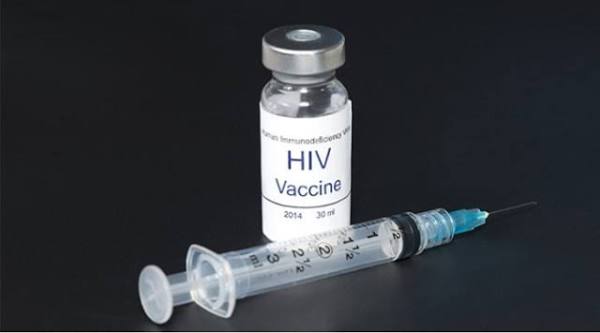
The government of India has advised against the administration of the vaccine against seasonal flu or against H1N1 for the entire population. Taking a rather conservative stance, Director General of the Indian Council of Medical Research, Dr Rajiv Bahl said the vaccine available in the country can be administered if patients feel the need to do so in consultation with their doctors but that it is not recommended by the government.
“We have done a cost-effective analysis of the flu vaccine in India. A vaccine is needed for some people above the age of 65 and if they are immune compromised,” he said.
He also added that being recommended by the World Health Organisation doesn’t translate into the government of India introducing it in the National Immunisation Programme of the government.
He stressed the robust surveillance mechanism of the government and said not everyone needs to even take an Anti-Viral or go for an RT PCR test because the situation is not alarming, far from it. “It is a self-limiting disease,” he added.
“Surveillance is being carried out at multiple levels, with all states reporting data on illnesses including fever, dengue and diarrhoea. Our respiratory surveillance shows that both influenza A and B
are currently circulating, with H1N1 being the predominant influenza A strain,” he added.
are currently circulating, with H1N1 being the predominant influenza A strain,” he added.
“This surveillance gives us a good idea of whether any outbreak is happening anywhere in the country,” he said.
Bahl said that most H1N1 cases are mild and do not require antiviral treatment. However, some patients can develop severe illness, particularly those at higher risk.
“Almost all cases are mild. Some cases are severe, and we will always see them,” he said. Severe cases are more likely to be seen among pregnant women and immunocompromised individuals, he added.
Bahl also urged people not to panic, saying that basic respiratory hygiene and simple precautions can help limit the spread of infection. He said there is no need for everyone to wear a mask, as influenza primarily spreads through respiratory droplets. Instead, people who are unwell should avoid close contact with others and stay at home.
“If you are sick, avoid spreading it. Stay at home. Two or three days of rest will help you,” he advised.
On vaccination, Bahl said that if vaccination is recommended for someone at high risk, the Northern Hemisphere influenza vaccine is the appropriate option for the current season.
No Comments For This Post, Be first to write a Comment.
Most viewed from Health












Todays Epaper

English Weekly


AIMIM News




Latest Urdu News
Most Viewed
Aug 02, 2026
Should UPI payments remain completely free for all transactions?
Like Us
Home
About Us
Advertise With Us
All Polls
Epaper Archives
Privacy Policy
Contact Us
Download Etemaad App
© 2026 Etemaad Daily News, All Rights Reserved.