




Fatty liver is India's silent epidemic, linked to diabetes and heart disease: Experts
Sat 14 Feb 2026, 01:16:07
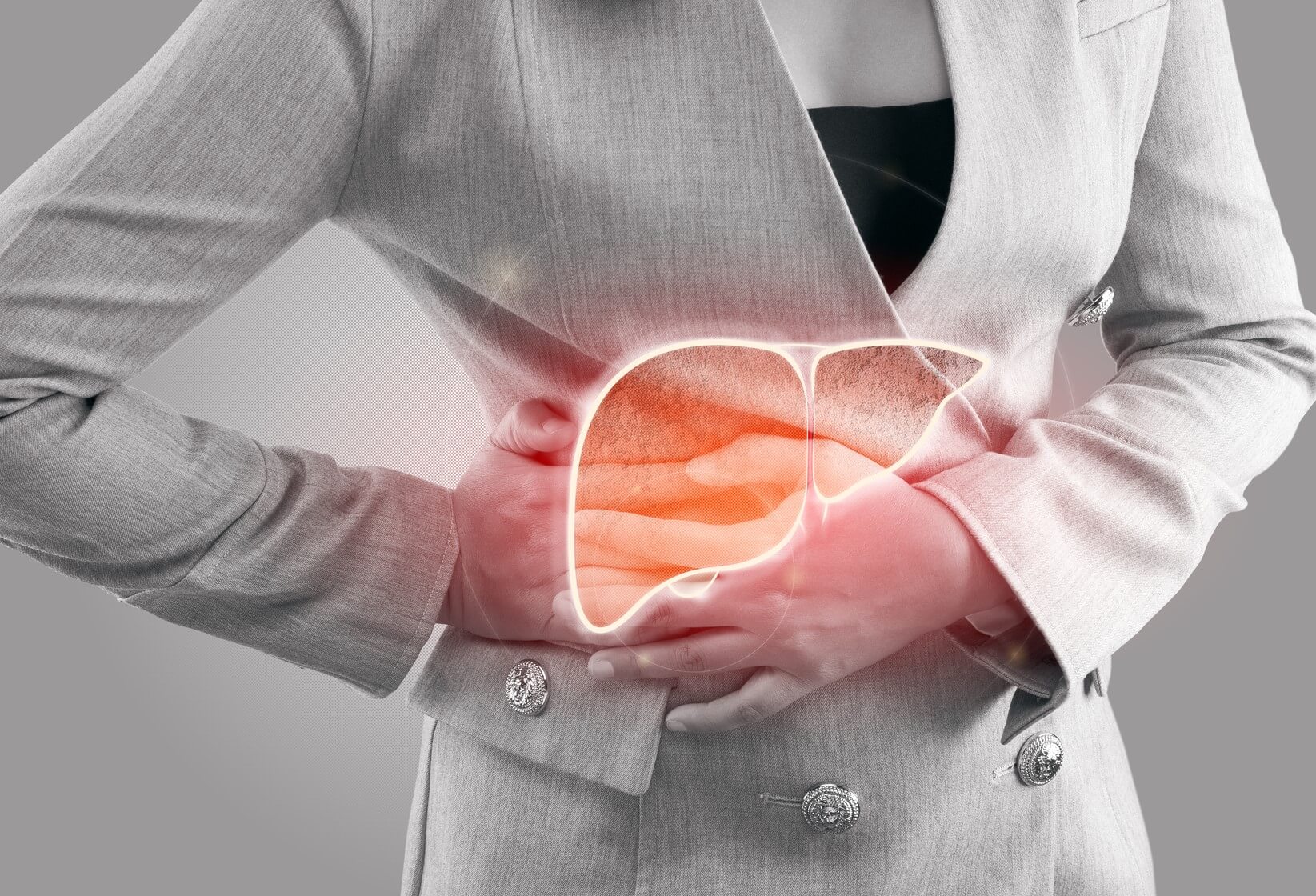
India is staring at a silent but rapidly growing health crisis, fatty liver disease and alcohol is not the only culprit. In an in-depth conversation, noted hepatologist Dr. Shiv Kumar Sarin explained why non-alcoholic fatty liver disease (NAFLD) is emerging as a metabolic epidemic, affecting even lean individuals and young adults. Drawing from large community studies and decades of clinical experience, Dr. Sarin underscored that fatty liver is closely linked to diabetes, heart disease, cancer and even early dementia. “If you want to prevent lifestyle diseases, start with your liver,” he said, outlining practical, science-backed steps to reverse and prevent the condition.
FATTY LIVER, NON-ALCOHOLIC FATTY LIVER DISEASE, INDIA PREVALENCE
Dr. Sarin revealed that fatty liver is far more common than most people assume.
“In a survey of over 6,700 people in Delhi’s community clinics, 56 per cent had fatty liver. That means one in two people had excess fat in their liver,” he said.
Medically, a healthy liver contains less than 5 per cent fat. “If the fat exceeds 10 per cent, it is fatty liver. Not every fatty liver is immediately dangerous, but it is certainly not normal,” he clarified.
What is particularly worrying is that obesity is not the only marker. “Around 11% of lean individuals in our study also had fatty liver. So you cannot assume you are safe just because you are thin,” he warned.
RISK FACTORS, SELF-TEST, WAIST CIRCUMFERENCE, SGPT
According to Dr. Sarin, early identification is possible without complicated tests.
He suggested simple red flags:
. Weight above ideal (height minus 100 for men; height minus 105 for women)
. Waist circumference above 90 cm for men and 80 cm for women
. High blood sugar, high triglycerides, or diabetes
. Family history of metabolic diseases
“If your SGPT is persistently above 40, get yourself evaluated. Ideally, it should be around 20 to 30,” he said, calling SGPT a useful marker of liver cell injury.
He also pointed to physical signs such as darkened skin around the neck, which may indicate metabolic dysfunction.
WHY FATTY LIVER IS DANGEROUS, DIABETES, HEART DISEASE, CANCER
Dr. Sarin stressed that fatty liver is not an isolated liver issue, it is the “fulcrum” of multiple lifestyle diseases.
“When there is fat in the liver, insulin cannot work properly. The pancreas produces more insulin, and over time this leads to diabetes. Adult diabetes is, in many ways, a liver disease,” he explained.
Excess fat spills into the bloodstream, raising triglycerides and cholesterol. “It deposits in arteries, leading to heart disease and stroke. It affects kidneys, lungs and even the brain, contributing to early dementia,” he said.
Recent global data also links fatty liver with higher risks of certain cancers. “Fatty liver increases the risk of prostate and colon cancers. And if someone already has cancer, weight loss improves response to treatment,” he added.
FOUR STAGES, REVERSAL POSSIBLE, WEIGHT LOSS BENEFITS
Fatty liver
progresses in stages:
progresses in stages:
1. Simple fat accumulation
2. Fibrosis (scarring)
3. Cirrhosis
4. Liver cancer
“Each stage may take years. Even fibrosis and early cirrhosis can improve with weight loss and exercise. If you lose 10 per cent of your body weight, fibrosis can begin to reverse,” Dr. Sarin said.
He emphasised that reversal does not necessarily require expensive treatment. “It is largely in your hands.”
PREVENTION TIPS, DIET CHANGES, EXERCISE, SLEEP
Dr. Sarin outlined a clear preventive roadmap.
1. Maintain ideal weight
“If you were healthy at 20, try to maintain that weight for life. Adding five kilograms is where trouble begins.”
2. Exercise daily
“Until you sweat, it is just warm-up. After that, it is exercise,” he said, recommending at least 30–40 minutes of sustained activity. Exercise helps muscles use glucose, preventing the liver from converting excess sugar into fat.
3. Control sugar intake
“Sugar is the bigger culprit. Excess sugar turns into fat in the liver.”
4. Eat smart
“Eat half your stomach full. Use a smaller plate. Avoid repeated servings,” he advised.
He recommended that around 60 per cent of food be natural and minimally processed, salads, sprouts, vegetables, nuts and seeds. Apples, buttermilk, turmeric and moderate coffee intake may support liver health.
“Do not live to eat. Eat to live,” he said firmly.
5. Time your meals
Try to eat within a 12-hour window and avoid late-night meals. “Eating before sunset, where possible, and allowing 12 to 14 hours of overnight fasting is beneficial.”
6. Prioritise sleep
“Those who sleep less than six hours tend to gain weight. Restorative sleep is critical for metabolic health,” he said.
CHILDHOOD OBESITY, PARENTAL RESPONSIBILITY, EARLY PREVENTION
Dr. Sarin stressed that prevention must begin before birth.
“If both parents are overweight, up to 97 per cent of their children may become overweight or obese,” he said, citing large international data.
He warned against excessive sugar and fat in children’s diets. “By age five, up to 15 per cent of children may already have fatty liver. By young adulthood, that number rises sharply.”
Parents, he said, must avoid equating love with sugary treats. “Health cannot be bought. It has to be earned.”
FINAL MESSAGE, LIFESTYLE DISEASE PREVENTION, HEALTH OWNERSHIP
Dr. Sarin’s closing message was blunt but hopeful: “Nobody should need to go to the doctor for lifestyle diseases. Own your body. Health cannot be procured with money, it has to be earned.”
He advised keeping bones and metabolic health “10 years younger than your actual age” through consistent physical activity.
As India grapples with rising diabetes and heart disease, the message is clear: the liver may be the starting point. The epidemic is silent, but it is reversible.
No Comments For This Post, Be first to write a Comment.
Most viewed from Health



Todays Epaper

English Weekly


AIMIM News



Latest Urdu News
Most Viewed
May 26, 2020
Which cricket team is your favourite to win the T20 World Cup 2026?
Latest Videos View All
.jpg)
.jpg)
.jpg)

Like Us
Home
About Us
Advertise With Us
All Polls
Epaper Archives
Privacy Policy
Contact Us
Download Etemaad App
© 2026 Etemaad Daily News, All Rights Reserved.