




Early warning signs of glaucoma young adults often ignore
Thu 15 Jan 2026, 02:27:30
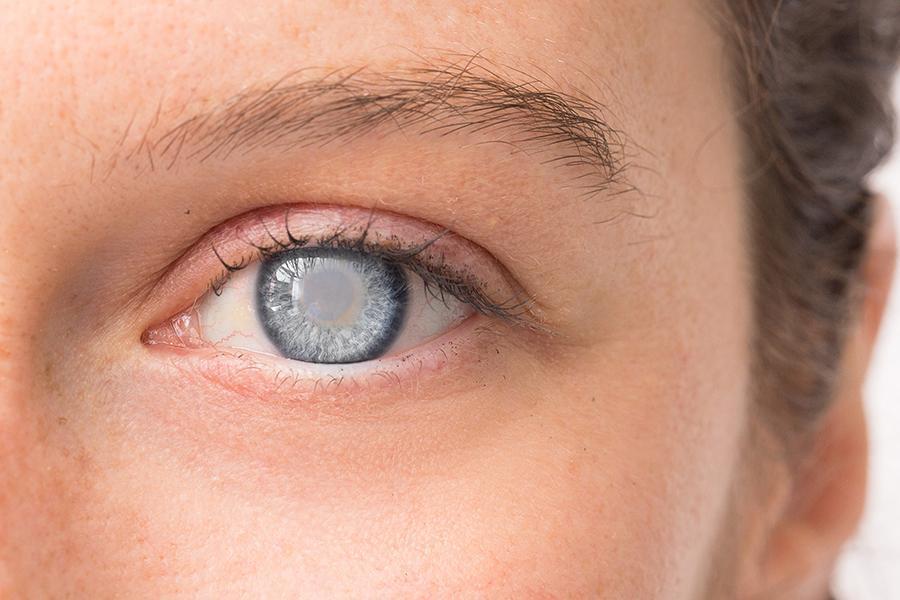
Glaucoma is commonly seen as a disease that affects older people. Many young adults believe they are too young to worry about it. However, eye specialists are now seeing early signs of glaucoma in people in their 20s and 30s.
The worrying part is that glaucoma usually develops quietly, without pain or clear warning signs.
According to data from the National Eye Health Programme for 2024–2025, India has seen over 98 lakh cataract surgeries and more than 6.4 lakh treatments for other eye conditions, including glaucoma and diabetic retinopathy.
With better screening and awareness, doctors are detecting glaucoma earlier than before. This has revealed an important fact: the disease often begins much earlier than people expect.
Dr Rani Menon, Senior Cataract and Glaucoma Surgeon at Maxivision Super Speciality Eye Hospitals, explains that in younger adults, doctors usually notice early structural changes in the optic nerve rather than advanced vision loss.
At this stage, there is no pain, and vision appears normal, which is why many people ignore the condition. Early detection, she says, allows doctors to monitor changes closely and protect vision in the long run.
WHY GLAUCOMA IS EASY TO MISS IN YOUNG ADULTS
Unlike many eye problems, glaucoma does not usually cause redness, discharge or sudden pain in its early stages. Central vision remains clear, allowing people to work, drive and use screens without difficulty. The damage begins slowly in the optic nerve and affects side vision first, which cannot be detected without specialised tests.
Most young professionals blame eye discomfort on screen fatigue, stress or lack of sleep. While these factors do cause eye strain, they can also hide early signs of glaucoma. Ignoring recurring symptoms delays diagnosis and increases long-term risk.
SUBTLE VISION CHANGES THAT SHOULD NOT BE IGNORED
One of the earliest symptoms reported by patients is intermittent blurring of vision without any clear reason. Another common complaint is increased glare while driving at night or discomfort when moving from bright to dark
environments.
environments.
Some people also experience mild headaches around the eyebrows or a feeling of pressure in the eyes after long hours of screen use. These symptoms are usually harmless, but if they keep returning, doctors recommend a detailed eye check-up rather than just a basic vision test.
PERIPHERAL VISION LOSS HAPPENS QUIETLY
Glaucoma damages side vision first, which is why it often goes unnoticed. Young adults may not describe it as vision loss, but they may feel less aware of their surroundings. Missing steps, bumping into objects, struggling in crowded places or feeling uncomfortable while driving in low light can be early warning signs.
These changes are usually detected only through visual field tests during a complete eye examination. Regular eye check-ups that assess more than just reading vision are essential for early diagnosis.
FAMILY HISTORY, LIFESTYLE AND EARLY SCREENING
A family history of glaucoma significantly increases risk, even at a young age. Conditions like diabetes, fluctuating blood pressure and long-term or uncontrolled use of steroids also raise vulnerability.
As lifestyle-related diseases appear earlier in life, eye doctors are recommending screening at younger ages for people with these risks.
Modern eye care technology now allows doctors to detect glaucoma before noticeable vision loss occurs. High-resolution optic nerve imaging, digital eye pressure measurements and data tracking help identify tiny changes that are invisible to the naked eye.
While routine glaucoma screening is usually advised after the age of 40, young adults should consider a full eye check-up if they have recurring eye discomfort, a family history of glaucoma or other health risk factors.
Early testing does not always mean treatment, but it helps people stay informed and protect their vision.
Glaucoma does not announce itself with pain or early vision loss. Awareness, timely eye examinations and access to modern diagnostic tools are key to preventing long-term damage. For young adults, paying attention to subtle changes today can help save vision tomorrow.
No Comments For This Post, Be first to write a Comment.
Most viewed from Health






.jpg)





Todays Epaper

English Weekly


AIMIM News







Latest Urdu News
Most Viewed
May 26, 2020
Which cricket teams will reach the IPL 2026 finals?
Latest Videos View All
.jpg)
.jpg)
.jpg)


Like Us
Home
About Us
Advertise With Us
All Polls
Epaper Archives
Privacy Policy
Contact Us
Download Etemaad App
© 2026 Etemaad Daily News, All Rights Reserved.