




Doctors warn AC rooms can quietly raise kidney stone risk
Fri 01 May 2026, 01:48:21

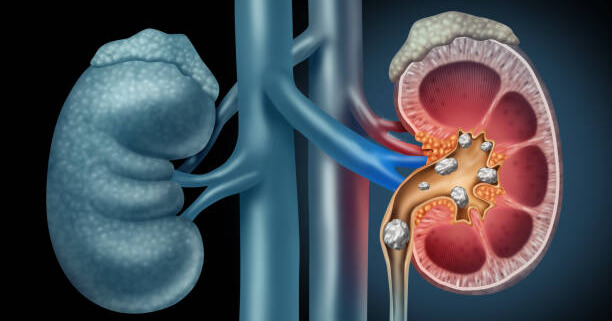
As temperatures soar across India in yet another punishing summer, doctors are flagging a less obvious but rapidly growing health concern: kidney stones. Long associated with dehydration in outdoor workers, the condition is now increasingly affecting people who spend most of their day inside air-conditioned offices or homes, challenging assumptions about who is really at risk.
India already reports over a million new kidney stone cases every year, with an estimated 12 percent prevalence.
The northern region, often referred to as the “stone belt,” has historically borne the brunt. But the extreme heat year after year is widening the danger zone.
The common belief that staying indoors offers protection is misleading. Air-conditioned environments may feel comfortable, but they come with a hidden downside.
They reduce humidity, which in turn increases what doctors call “insensible fluid loss” – water loss that happens without obvious sweating.
“You may not feel thirsty, and you may not sweat visibly, but your body is still losing fluids,” explained Dr Deepak Ragoori, a senior urologist with the Asian Institute of Nephrology and Urology, Hyderabad.
Over long workdays, especially when people rely on tea, coffee, or sugary drinks instead of water, dehydration can quickly set in. By the time thirst is noticeable, the body is already behind on fluids.
This silent dehydration is proving to be a key trigger behind the seasonal spike in kidney stones.
As fluid levels drop, urine becomes more concentrated, allowing minerals such as calcium, oxalate, and uric acid to crystallise more easily. What would otherwise remain dissolved begins to form solid deposits – sometimes in a matter of days.
Doctors say the science behind the surge is straightforward but often overlooked. In hot weather, the body loses significant amounts of water through sweat. If this loss isn’t replaced adequately, urine volume drops. The smaller the volume, the higher the concentration of stone-forming substances.
Dr. Anurag Khaitan, head urologist at Paras Health in Gurugram, pointed out that dehydration “reduces urine volume, making it more concentrated and allowing minerals to crystallise and form stones.”
He added that lifestyle habits worsen the risk, particularly the tendency to swap water for aerated drinks or packaged juices during summer.
There are also cultural factors at
play.
play.
In many households, buttermilk with added salt is a staple summer drink, consumed to replenish electrolytes. While helpful in moderation, excess salt increases calcium excretion in the urine, inadvertently promoting stone formation.
Similarly, high-oxalate diets, common in certain regional cuisines, can further tip the balance.
An oxalate-rich diet includes high levels of oxalic acid, commonly found in spinach, rhubarb, beets, nuts, chocolate, and soy products. While often healthy, moderation, adequate hydration, and pairing with calcium-rich foods so that it binds with oxalate and prevents them from entering the kidney, are recommended to reduce risk.
For those who have had kidney stones before, the risk is even higher.
Their bodies are often already predisposed due to metabolic factors such as elevated urinary calcium or lower citrate levels. “Even a short period of inadequate hydration in summer can tip the balance,” Dr Ragoori noted.
The problem is compounded by increased physical activity during the season – sports, travel, and outdoor exercise all contribute to fluid loss. Without deliberate rehydration, the body struggles to maintain the balance needed to prevent crystallisation.
Despite the rising numbers, doctors stress that prevention is neither complicated nor expensive – it simply requires consistency and awareness.
The most important step is fluid intake. “The goal should be to maintain a urine output of at least 2–2.5 litres per day,” said Dr Ragoori, adding that this often means drinking significantly more water than usual during hot weather.
Dr Khaitan recommended a daily intake of 2.5 to 3 litres, or more for those who sweat heavily.
Hydration doesn’t have to come from plain water alone. Coconut water and lemon water can help dilute urine and provide some electrolyte balance.
At the same time, experts advise limiting excess salt, sugary drinks, and processed beverages, all of which can disrupt urinary chemistry.
Diet also plays a role, but not always in the way people assume. Doctors caution against eliminating calcium entirely, as balanced intake is actually protective. Instead, moderation across food groups is key.
For individuals with a history of kidney stones, vigilance becomes even more critical. Regular check-ups and monitoring may be necessary during the summer months, when the risk is at its peak.
No Comments For This Post, Be first to write a Comment.
Most viewed from Health











Todays Epaper

English Weekly


AIMIM News








Latest Urdu News
Most Viewed
May 26, 2020
Which cricket teams will reach the IPL 2026 finals?
Latest Videos View All
.jpg)
.jpg)
.jpg)



Like Us
Home
About Us
Advertise With Us
All Polls
Epaper Archives
Privacy Policy
Contact Us
Download Etemaad App
© 2026 Etemaad Daily News, All Rights Reserved.