




Dementia may affect 24.7 million people annually by 2050, finds global study
Sat 24 Oct 2026, 13:03:40
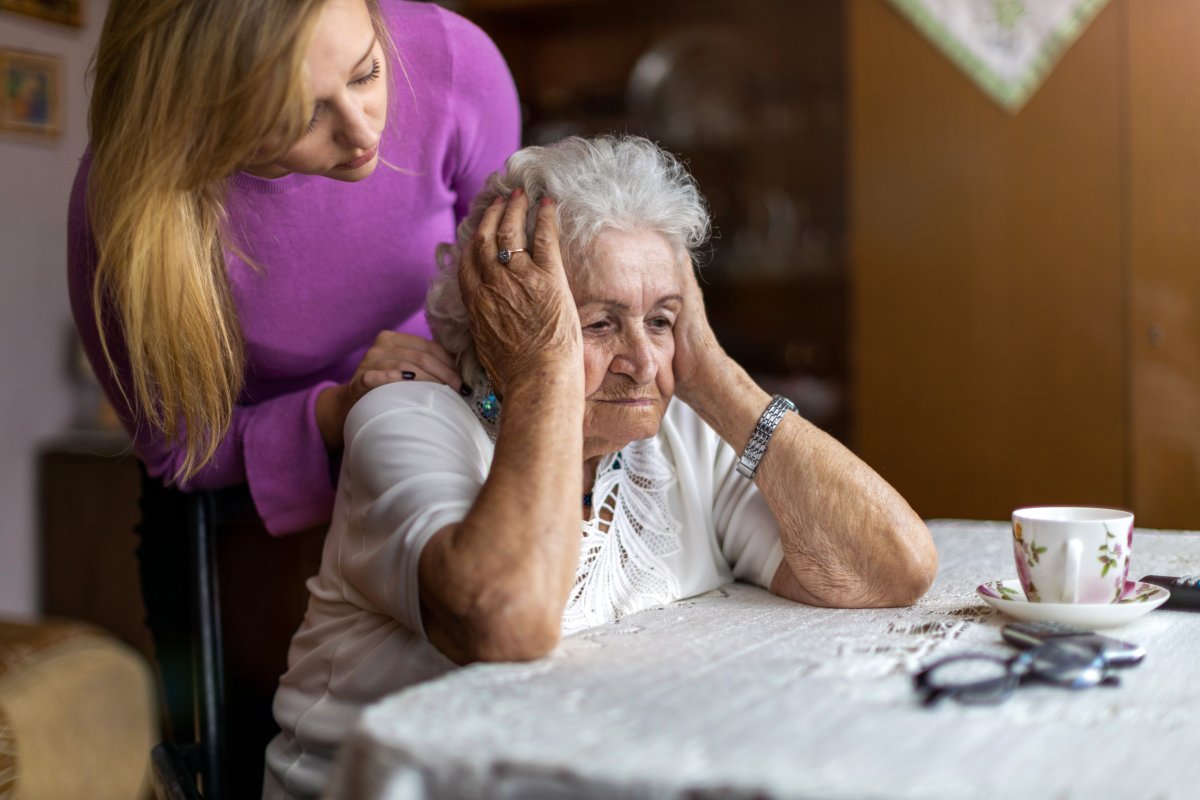
Dementia could become an increasingly significant public health challenge over the coming decades, with the number of new cases worldwide projected to rise from an estimated 11.4 million in 2023 to 24.7 million in 2050. A new study published in JAMA Neurology highlights the condition's growing scale and points to differences in incidence across sexes and country income groups.
The study, titled Global Incidence of All-Cause Dementia: A Meta-Analysis, brings together data from 22 population-based studies covering 38,418 participants across 18 countries and territories on six continents. Researchers examined how frequently new cases of dementia occurred and how these rates varied by age, sex and national income levels.
The findings offer a broader picture of the global burden of dementia, particularly in low- and middle-income countries, which have often been under-represented in research. The researchers said the estimates could help guide future planning for dementia prevention, diagnosis and care services.
The researchers estimated that 11.4 million new cases of dementia would occur worldwide in 2023. Applying the estimated age- and sex-specific rates to projected population figures, they calculated that annual new cases could reach 24.7 million by 2050.
This projection assumes that dementia incidence rates remain constant over time. It is an estimate of the number of new cases expected each year, rather than the total number of people living with dementia.
The distinction is important because dementia is a long-term condition, and the number of people living with it also depends on survival, population ageing and other factors.
As populations age and more people live into older age, the need for diagnosis, long-term care and support for families could increase substantially. The researchers said the estimates provide a benchmark for governments and healthcare systems planning services for people affected by dementia.
The analysis found that the incidence of dementia was higher among women than men. The age-standardised
incidence rate was 10.6 per 1,000 person-years among women, compared with 8.6 per 1,000 person-years among men.
incidence rate was 10.6 per 1,000 person-years among women, compared with 8.6 per 1,000 person-years among men.
Person-years account for both the number of people included in a study and the amount of time they were followed. This measure helps researchers compare the frequency of new cases across populations with different follow-up periods.
However, the findings do not establish why women had higher incidence rates. The study focused on measuring and comparing new cases, rather than determining the reasons behind the differences.
The results highlight the importance of examining dementia trends by sex and age when planning prevention, diagnosis and care. Further research is needed to understand the factors contributing to these differences.
Dementia is a group of conditions that affect memory, thinking, communication and the ability to carry out everyday activities. Alzheimer's disease is one of its most common causes. Dementia is not a normal or inevitable part of ageing, although advancing age is an important risk factor.
The study does not predict individual risk or explain which interventions would prevent the projected increase. Instead, it provides estimates that may help policymakers and healthcare providers prepare for future demand.
The researchers emphasised the value of reliable global estimates for planning prevention strategies, improving diagnosis and strengthening memory care services, particularly in countries that remain under-represented in research.
The projection of 24.7 million new cases annually by 2050 assumes current incidence rates remain unchanged. Actual figures may differ as populations change and prevention, diagnosis and treatment practices evolve.
The findings underline the need for continued research and better access to dementia-related services worldwide. As the number of new cases is expected to grow, healthcare systems will need to prepare not only to diagnose the condition but also to support people living with dementia and the families who care for them.
No Comments For This Post, Be first to write a Comment.
Most viewed from Health












Todays Epaper

English Weekly


AIMIM News




Latest Urdu News
Most Viewed
Aug 02, 2026
Should India introduce stricter laws against AI-generated fake videos and images?
Like Us
Home
About Us
Advertise With Us
All Polls
Epaper Archives
Privacy Policy
Contact Us
Download Etemaad App
© 2026 Etemaad Daily News, All Rights Reserved.