




Delhi-NCR pollution pushes 37% of residents to consider moving out: Survey
Mon 23 Nov 2026, 00:51:43
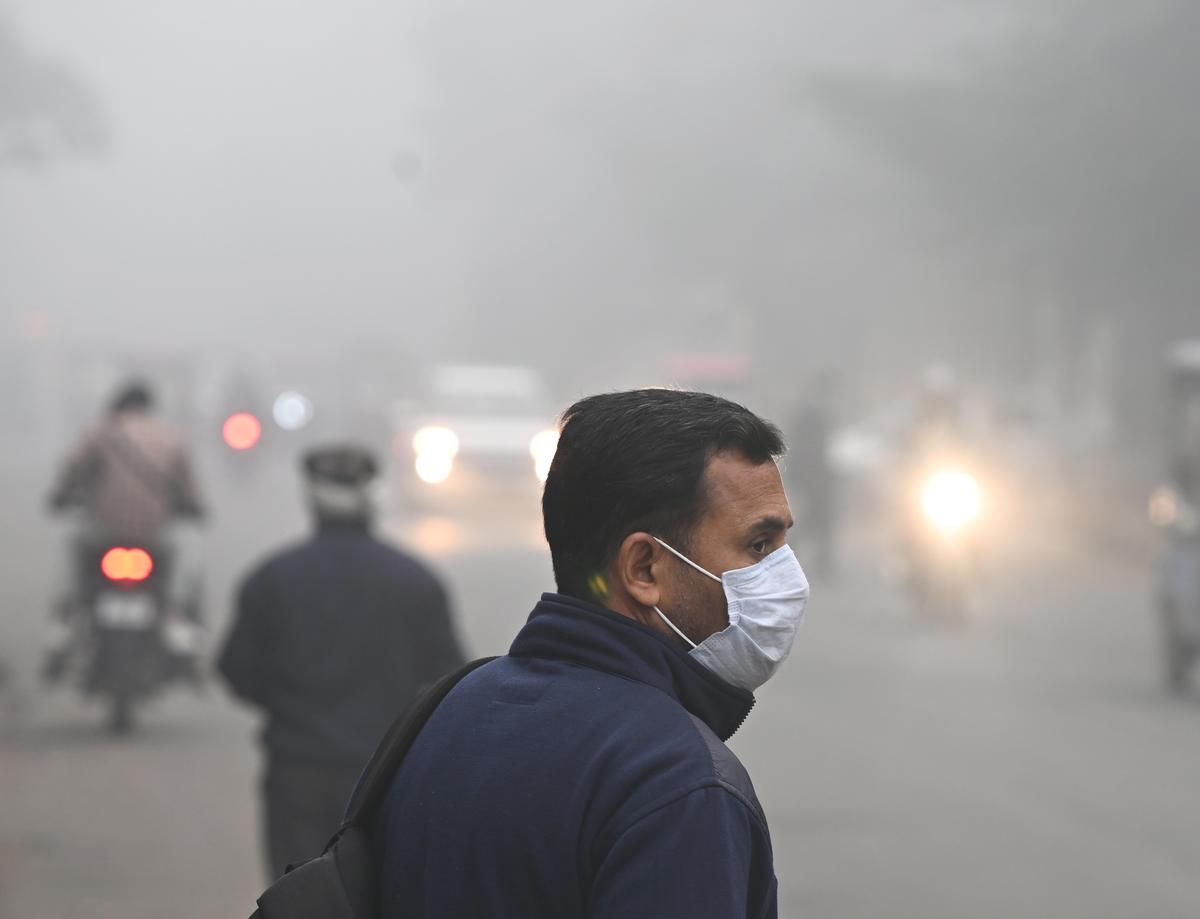
A new survey by community social media platform LocalCircles, covering more than 83,000 validated citizens across Delhi, Gurugram, Noida, Faridabad and Ghaziabad, has highlighted the scale of the crisis. According to the findings, 37% of respondents are planning to move out of Delhi-NCR soon, while 94% are worried about their ability to afford future healthcare expenses.
The findings point towards a growing public health and financial challenge, with air pollution increasingly influencing decisions about health, finances and where people choose to live.
The impact of deteriorating air quality appears to be extending beyond temporary respiratory discomfort. In one part of the LocalCircles survey, 24,729 respondents were asked whether anyone in their close social network, including themselves, family members, friends, neighbours or colleagues, had developed serious health conditions linked to air pollution.
These conditions included lung cancer, chronic obstructive pulmonary disease (COPD), asthma, heart failure, strokes and cognitive decline.
The findings revealed that 72% of respondents knew at least one person affected by such conditions. While 32% reported knowing one affected individual, 17% knew two to three people, and another 17% knew four to six people. Six per cent said they knew more than 10 affected individuals.
Only 17% said they did not know anyone in their close network who had experienced these health conditions.
The findings come amid growing concerns among healthcare professionals about respiratory complaints and other health problems associated with prolonged exposure to polluted air. Hospitals have reported patients experiencing
persistent coughs and breathing difficulties, including younger adults with no previously diagnosed respiratory conditions.
persistent coughs and breathing difficulties, including younger adults with no previously diagnosed respiratory conditions.
The long-term implications are also concerning. According to the Air Quality Life Index, particulate pollution could reduce the average life expectancy of Delhi residents by 8.2 years compared with the World Health Organization's recommended air quality guidelines.
The survey findings come against the backdrop of worsening air quality across the National Capital Region. Following Diwali, Delhi witnessed a significant deterioration in pollution levels, with the Air Quality Index (AQI) reaching 376 on November 8.
Particulate matter, particularly PM2.5 and PM10, remains a major concern because these pollutants can penetrate deep into the respiratory system. PM2.5 particles are especially concerning because their small size allows them to reach the lungs and enter the bloodstream.
The situation is further complicated by the fact that pollution sources extend beyond Delhi's geographical boundaries. Vehicular emissions, construction dust, industrial activities, waste burning and agricultural residue burning across neighbouring states all contribute to the region's air quality challenges.
Meanwhile, the implementation of restrictions under the Graded Response Action Plan (GRAP) has continued to attract attention. Restrictions are introduced and withdrawn depending on pollution levels, but concerns remain about the effectiveness of short-term interventions when air quality fluctuates.
For residents, this means continued uncertainty about outdoor activities, commuting, school attendance and the precautions required to protect their health.
No Comments For This Post, Be first to write a Comment.
Most viewed from Health








Todays Epaper
English Weekly

AIMIM News




Latest Urdu News
Most Viewed
Aug 02, 2026
Should the government impose stricter measures to control air pollution in Indian cities?
Like Us
Home
About Us
Advertise With Us
All Polls
Epaper Archives
Privacy Policy
Contact Us
Download Etemaad App
© 2026 Etemaad Daily News, All Rights Reserved.