




Countdown begins for generic Ozempic wave in India
Fri 06 Mar 2026, 01:37:18
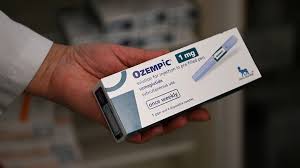
The countdown has begun for a major shift in India’s rapidly expanding obesity and diabetes treatment market.
More than two dozen generic versions of semaglutide — one of the world’s most sought-after weight-loss and diabetes drugs — are set to enter the Indian market within weeks as the molecule developed by Novo Nordisk approaches a key patent expiration on March 20 in India and several other countries.
The patent cliff is expected to trigger a wave of lower-cost alternatives from domestic pharmaceutical companies, potentially transforming access to a drug that has until now remained out of reach for many patients because of its price.
At present, semaglutide is sold in India under three major brands from Novo Nordisk — Rybelsus in oral tablet form, and the injectable therapies Ozempic and Wegovy. While Rybelsus has been available in the country since 2022, Ozempic and Wegovy only entered the Indian market last year.
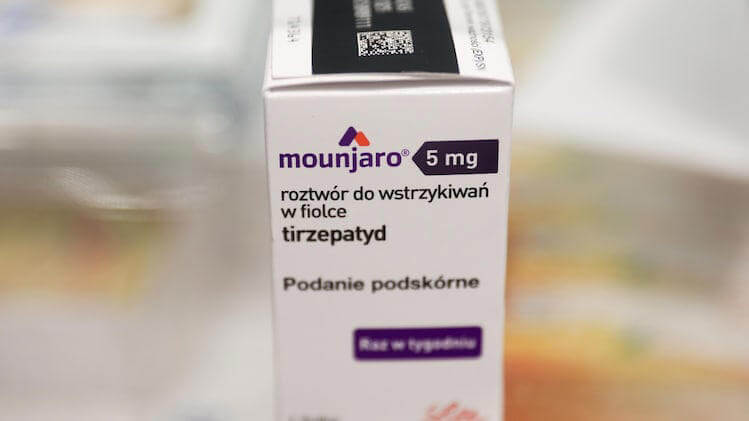
Their arrival coincided with the launch of Mounjaro by Eli Lilly, another GLP-1–based therapy used for weight loss and diabetes that contains the active ingredient tirzepatide.
Together, these drugs have rapidly become some of the most talked-about treatments in metabolic medicine.
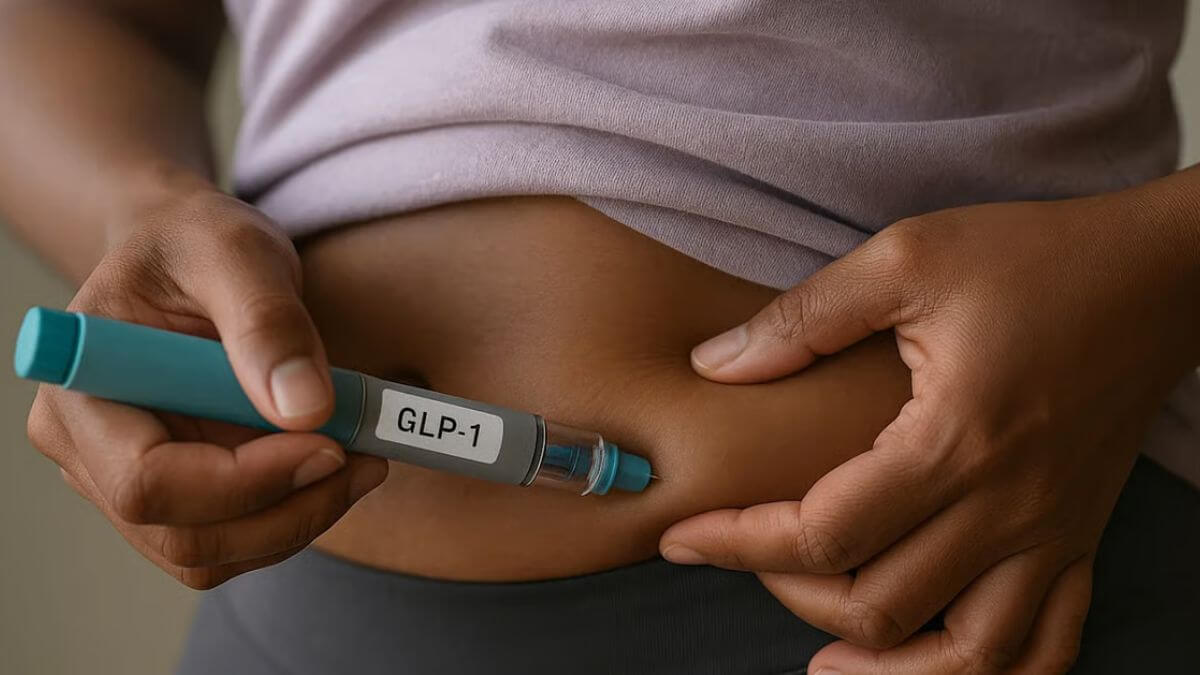
GLP-1 therapies work by mimicking gut hormones that regulate appetite, insulin secretion and digestion.
GLOBAL SMASH-HITS
By binding to receptors that influence pancreatic hormone release and gastrointestinal functions, these medicines help control blood sugar while also reducing appetite. Because of this dual action, they are increasingly used to treat both type-2 diabetes and obesity — two conditions that often occur together.
Semaglutide and similar drugs belong to a relatively new class of medicines known as peptides. These are short chains of amino acids — the building blocks of proteins — designed to act as highly targeted biological messengers that mimic or influence natural hormonal processes in the body.
Within months of their introduction in India, drugs such as Ozempic, Wegovy and Mounjaro have gained widespread attention among physicians and patients alike. Demand has surged particularly for Mounjaro, which quickly climbed to become one of India’s top-selling medicines by value, underscoring the enormous appetite for effective weight-loss therapies.
That demand is now attracting a wave of domestic manufacturers. Industry insiders say more than a dozen Indian pharmaceutical companies are preparing to launch generic versions of semaglutide once patent protection expires. Early entrants are expected to include firms such as Dr Reddy's Laboratories, Sun Pharmaceutical Industries and Zydus Lifesciences.
The competition could have a dramatic impact on pricing. Analysts expect the first wave of generics to reduce costs by roughly 60–70 percent, making the therapy significantly more affordable for Indian patients.
Currently, prices remain steep. A month’s supply of Rybelsus costs roughly Rs 6,900 to Rs 9,000, depending on dosage. Injectable Ozempic typically ranges between Rs 8,800 and Rs 11,000 per month, while Wegovy — prescribed primarily for weight management — can cost anywhere from Rs 11,850 to Rs 26,050 based on dose strength.
Generic competition could bring these prices down
substantially over time.
substantially over time.
Some companies have been preparing for this moment for years. Ahmedabad-based Zydus, for instance, had earlier developed its own obesity-related molecule called Zygo1.
However, development was eventually paused because of the high financial burden associated with global clinical trials, stringent safety requirements from regulators such as the U.S. Food and Drug Administration for diabetes drugs at the time, and a market that had not yet fully recognised the commercial potential of obesity treatments.
Today, the landscape looks very different.
OVER 50 VERSIONS IN PIPELINE
Market analysts estimate that nearly 50 generic semaglutide versions are currently in development pipelines across the pharmaceutical industry. As more manufacturers enter the market and production scales up, prices could eventually fall by as much as 80–90 percent compared with current branded therapies.
Such price reductions could significantly expand access to treatment in a country where both diabetes and obesity are rising at alarming rates. India’s anti-obesity drug market is currently valued at roughly Rs 3,000–3,500 crore, but industry projections suggest it could grow nearly eightfold by 2030 as awareness increases and treatment options become more affordable.
While Novo Nordisk faces the prospect of losing exclusive control over one of its blockbuster molecules, generic drugmakers across India, China and Europe have been preparing for the patent expiry for years.
The expiration opens the door for companies to manufacture and sell copycat versions of semaglutide, dramatically expanding supply.
The influx of new manufacturers is widely expected to intensify price competition and improve availability for patients who previously could not afford these treatments.
Dozens of brand names for generic semaglutide products are already being prepared by Indian pharmaceutical companies, reflecting the scale of interest in the therapy.
These range from formulations by established drugmakers to offerings from emerging pharmaceutical firms seeking a foothold in the fast-growing metabolic disease market.
For clinicians, the development could mark an important turning point in how obesity and diabetes are managed in India.
According to endocrinologists, broader availability of semaglutide could allow doctors to introduce GLP-1 therapies earlier in the treatment pathway rather than reserving them for patients who have exhausted multiple oral medications.
Dr Ankita Tiwari, consultant in diabetes and endocrinology at Manipal Hospital Bhubaneswar, says the arrival of generic semaglutide could significantly expand treatment access.
“Lower-cost semaglutide could dramatically improve access to GLP-1 therapy in India, where price has been a major barrier,” she said.
Mumbai-based diabetologist and metabolic disorder specialist pointed out that if generic semaglutide truly matches the innovator in quality, it could be a game changer for India.
“While the original molecule still carries the strongest evidence and trust, credible Indian manufacturers can greatly expand access to this disease-modifying therapy for obesity and diabetes for millions of patients,” he said.
No Comments For This Post, Be first to write a Comment.
Most viewed from Health







.jpg)



Todays Epaper

English Weekly


AIMIM News






Latest Urdu News
Most Viewed
May 26, 2020
Which cricket teams will reach the IPL 2026 finals?
Latest Videos View All
.jpg)
.jpg)
.jpg)


Like Us
Home
About Us
Advertise With Us
All Polls
Epaper Archives
Privacy Policy
Contact Us
Download Etemaad App
© 2026 Etemaad Daily News, All Rights Reserved.