




Congo Ebola outbreak crosses 2,000 deaths, fastest-growing on record
Wed 12 Aug 2026, 00:40:28

The Ebola outbreak in the Democratic Republic of Congo has crossed a grim milestone, with more than 2,000 people now dead among confirmed cases. Government data published on Tuesday showed 4,381 confirmed Ebola cases and 2,011 deaths, while 704 patients remain admitted and in isolation. The outbreak, declared on May 15, is now the fastest-growing Ebola outbreak on record.
It took around nine weeks to reach 1,000 deaths, but only about three more weeks to reach the next 1,000. The World Health Organization says the outbreak actually began in February, months before it was detected.
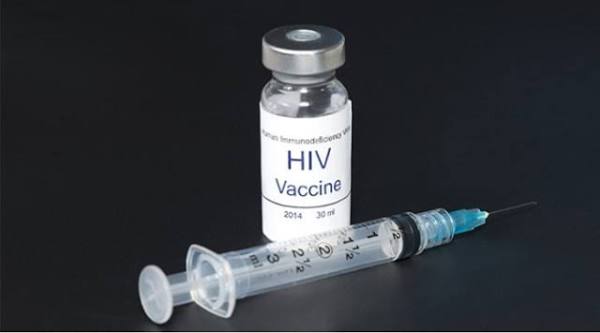
The current Ebola outbreak is different from many previous outbreaks because it is being caused by the rare Bundibugyo virus. There is currently no approved vaccine or specific treatment for this strain, according to WHO.
The outbreak is taking place in one of Congo’s most remote and vulnerable areas,
where insecurity, limited healthcare access and difficult infrastructure are making the response harder.
where insecurity, limited healthcare access and difficult infrastructure are making the response harder.
WHO says the outbreak was confirmed in the Democratic Republic of Congo and Uganda in May. It is scaling up surveillance, contact tracing, clinical preparedness, supplies and community engagement as authorities try to contain the spread.
One of the biggest concerns is how long the virus may have been circulating before the outbreak was officially identified.
WHO said on Monday that the outbreak began in February, well before Congo declared it in May. That delay matters because early detection is crucial for tracing contacts, isolating patients and limiting transmission.
The current outbreak is the 17th Ebola outbreak in Congo since the virus was first identified near the Ebola River in 1976. It is also the largest outbreak the country has faced.
No Comments For This Post, Be first to write a Comment.
Most viewed from Health










Todays Epaper

English Weekly


AIMIM News




Latest Urdu News
Most Viewed
Aug 02, 2026
Should UPI payments remain completely free for all transactions?
Like Us
Home
About Us
Advertise With Us
All Polls
Epaper Archives
Privacy Policy
Contact Us
Download Etemaad App
© 2026 Etemaad Daily News, All Rights Reserved.