




Chewing sugary gum after beetroot could lower blood pressure: Study
Sat 20 Jun 2026, 01:15:16
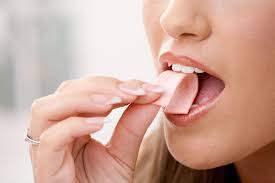
A simple habit of chewing sugary gum after eating nitrate-rich vegetables such as beetroot, spinach and kale could temporarily boost their blood pressure-lowering benefits, according to a new study by researchers at King's College London.
Researchers found that volunteers who chewed sugary gum after drinking beetroot juice had higher nitrite levels and modest reductions in blood pressure compared to those who chewed sugar-free gum.
Nitrate found in vegetables cannot be directly used by the body. It first needs to be converted into nitrite by bacteria living in the mouth. Once formed, nitrite helps blood vessels relax and widen, allowing blood to flow more easily through the body.
Researchers wanted to investigate whether making saliva more acidic could improve this conversion process.
"Whether and how the acidity of saliva impacts the conversion of inactive nitrate into the more active nitrite is a fundamental question, as it affects important functions including blood pressure,"said Dr Andrew Webb, Clinical Senior Lecturer at King's College London.
Previous research by the team had shown that grapefruit juice reduced saliva acidity and slowed nitrate conversion. The scientists therefore wanted to see if increasing acidity would have the opposite effect.
Healthy volunteers drank a shot of beetroot juice and were randomly assigned to chew either a sugar-containing chewing gum or a sugar-free gum for three to six hours. At least a week later, participants repeated the experiment with the other type of
gum.
gum.
Researchers monitored blood pressure and analysed blood and saliva samples throughout the study.
Chewing sugary gum increased saliva acidity significantly, causing a 1.4-point drop in pH compared to sugar-free gum. Participants also recorded a 45% increase in nitrite levels in the mouth and a 25% increase in nitrite levels circulating throughout the body.
Most notably, systolic and diastolic blood pressure fell by nearly 3 mmHg and 2 mmHg, respectively, compared with chewing sugar-free gum.
The researchers stressed that the findings do not mean people should start chewing sugary gum to manage hypertension.
The blood pressure-lowering effect lasts only a few hours, and regular consumption of sugary products can harm dental and metabolic health.
However, the findings offer proof that altering conditions in the mouth can influence how effectively the body processes dietary nitrate.
According to co-author Dr Charlotte Mills from the University of Reading, future research should focus on developing tooth-friendly and metabolically healthy ways to enhance nitrate conversion.
The findings may also be relevant for athletes, who already use beetroot juice and dietary nitrate supplements to improve performance. Researchers say the study offers an early clue that modifying conditions inside the mouth could enhance the body's ability to convert nitrate into beneficial compounds.
Larger studies are now planned to explore whether this approach could improve athletic performance and support cardiovascular health.
No Comments For This Post, Be first to write a Comment.
Most viewed from Health












Todays Epaper

English Weekly


AIMIM News




Latest Urdu News
Most Viewed
Aug 02, 2026
Should children under 16 be restricted from using social media?
Like Us
Home
About Us
Advertise With Us
All Polls
Epaper Archives
Privacy Policy
Contact Us
Download Etemaad App
© 2026 Etemaad Daily News, All Rights Reserved.