




Cervical cancer is one of the few cancers where prevention is not theoretical, doctor explains
Wed 21 Jan 2026, 01:27:00
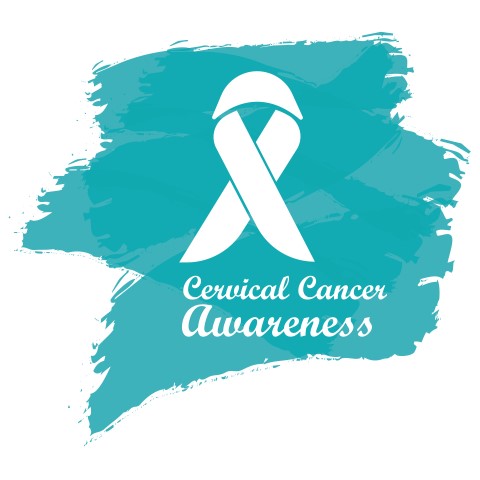
Cervical cancer is one of the leading cancer-related causes of death for women in India, but according to doctors, it is also one of the easiest cancers to prevent if the proper measures are taken. With timely vaccination and regular screening, a large proportion of cases can be avoided altogether.
“Cervical cancer is one of the few cancers where prevention is not theoretical,” says Dr Renu Malik, Director at Malik Radix Healthcare. “We know the virus responsible, and we have a vaccine that can stop it before cancer develops.”
The HPV link that makes prevention possible
Human Papillomavirus, or HPV, is a common virus transmitted primarily through skin-to-skin contact. Certain high-risk strains, especially HPV types 16 and 18, are responsible for more than 80 per cent of cervical cancer cases in India. “Once we prevent infection from these high-risk HPV types, we significantly reduce the risk of cervical cancer,” Dr Malik explains. “That is why the HPV vaccine plays such a critical role in prevention.”
India continues to shoulder a disproportionate burden of the disease, contributing nearly a quarter of global cervical cancer cases. “India’s numbers make prevention even more urgent,” Dr Malik says. “This is not a rare disease for us. It is a major public health issue that can be addressed.”
Why the HPV vaccine is a game-changer
The HPV vaccine works best when administered before exposure to the virus. Clinical evidence shows that vaccination at the right age can offer up to 97 per cent protection against cervical cancer and its precancerous changes. “When given at the right age, the HPV vaccine can prevent up to 97 per cent of cervical cancer and its early warning stages,” Dr Malik says. “This is why early vaccination matters so much.”
Long-term studies indicate that immunity remains strong for at least 12 to 15 years after vaccination. “Clinical data shows there is no significant reduction in immunity for over a decade,” she adds. “It makes the vaccine a long-term investment in women’s health.”
Some vaccine variants also protect against HPV types 6 and 11, which are responsible for the majority of
genital warts, offering additional health benefits beyond cancer prevention.
genital warts, offering additional health benefits beyond cancer prevention.
Who should take the HPV vaccine?
Doctors recommend the HPV vaccine across a wide age range. The primary target group remains girls aged 9 to 14 years, as vaccination before sexual debut offers the strongest protection.“The vaccine works best when given before any exposure to the virus, which is why vaccinating girls early is so effective,” Dr Malik explains.
Women aged 15 to 26 years are advised to take the vaccine as part of a catch-up strategy. Men and women between 27 and 45 years may also benefit after consultation with a doctor. Boys aged 9 to 14 years are increasingly included to reduce transmission and prevent HPV-related cancers in men.
“There is a common misconception that the HPV vaccine is only for teenage girls,” Dr Malik says. “Vaccinating boys and adult women also plays an important role in reducing overall disease burden.”
Vaccination does not replace screening
While the HPV vaccine is a powerful preventive tool, it does not eliminate the need for regular cervical screening. “Many people believe screening alone is enough,” Dr Malik notes. “But vaccination combined with regular Pap smears or HPV DNA testing is what truly makes cervical cancer preventable.” Screening helps detect precancerous changes early, when treatment is simpler, less invasive, and more effective. “Even vaccinated women must continue routine screening,” she adds. “Early detection remains a critical safety net.”
Cervical cancer develops slowly, offering multiple opportunities for prevention and early detection. With access to HPV vaccination and regular screening, thousands of lives can be saved. “As doctors, we see cervical cancer as especially tragic because it is so often preventable,” Dr Malik says. “Awareness and timely action can genuinely change outcomes.”
Disclaimer: Tips and suggestions mentioned in the article are for general information purposes only and should not be construed as professional medical advice. Always consult your doctor or a dietician before starting any fitness programme or making any changes to your diet.
No Comments For This Post, Be first to write a Comment.
Most viewed from Health









.jpg)

Todays Epaper

English Weekly


AIMIM News





Latest Urdu News
Most Viewed
May 26, 2020
Which cricket teams will reach the IPL 2026 finals?
Latest Videos View All
.jpg)
.jpg)
.jpg)


Like Us
Home
About Us
Advertise With Us
All Polls
Epaper Archives
Privacy Policy
Contact Us
Download Etemaad App
© 2026 Etemaad Daily News, All Rights Reserved.