




Centre tightens sterile drug norms amid Sun Pharma recall
Wed 04 Nov 2026, 23:52:08

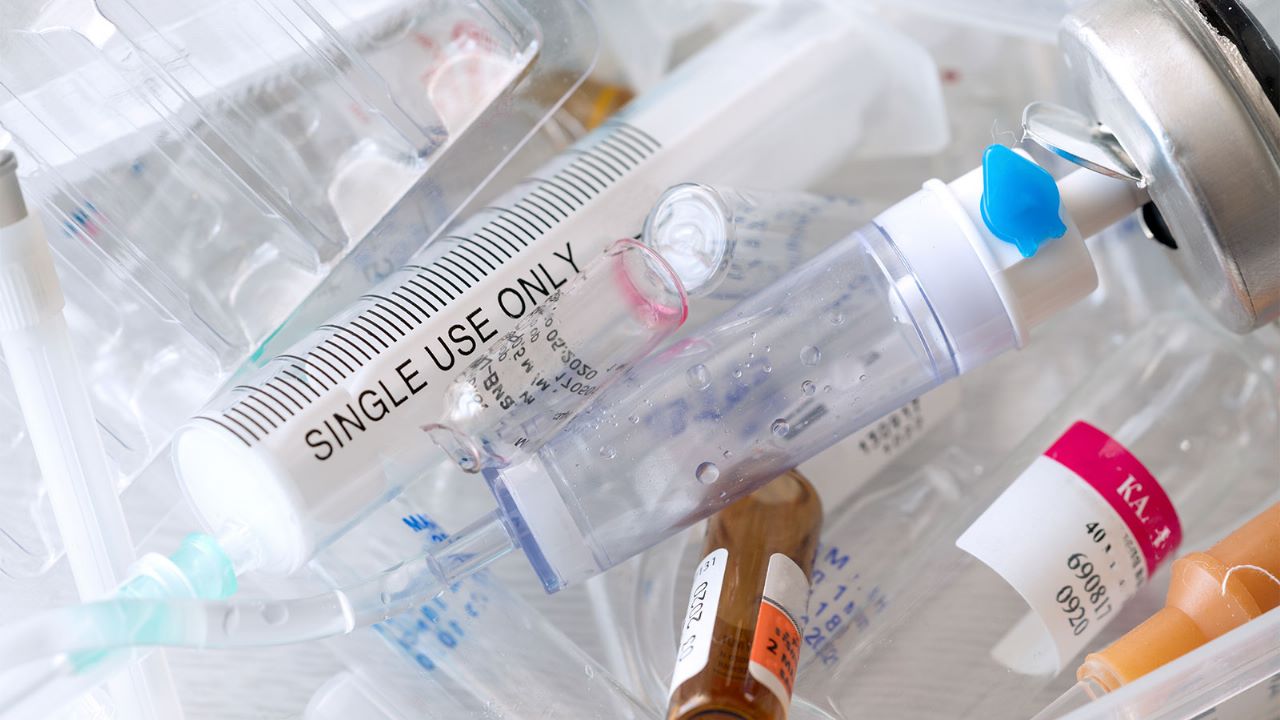
The Union Health Ministry has proposed tighter contamination limits for the cleanest zones of sterile drug factories. The proposal came two days before regulators ordered Sun Pharma to halt eye-care drug production at its Assam plant.
The ministry notified the change on 28 October. It targets the rulebook that tells Indian drugmakers how clean their factories must be. The new limits on germs in the cleanest rooms of sterile medicine plants are meant to match those set by the World Health Organisation (WHO).
Grade A areas are the most critical zones in sterile manufacturing where exposed products, containers and sterilised components are handled there. The amendment says any microbial growth found in these zones must trigger an investigation.
The development comes in the backdrop of an episode involving India’s biggest drugmaker Sun Pharma, which was recently ordered to halt production at its manufacturing plant in Assam after reports of contamination in some of the eye drops made there.
On June 19 this year, the All India Ophthalmological Society (AIOS), the largest network of eye doctors in the country, warned members that some batches of Sun’s Predmet eye drops, which consists of steroids, is indicated for inflammation in the eyes, showed contamination consistent with Pseudomonas bacteria, which are mainly oppurtunistic pathogens in humans.
The company withdrew Predmet, then ordered a wider recall of 11 ophthalmic products on
July 17. Regulators issued a show-cause notice on August 10, citing failures in the company’s quality management system.
July 17. Regulators issued a show-cause notice on August 10, citing failures in the company’s quality management system.
And just last week, they ordered production halted at its Assam plant, after the recall of 332 batches of ophthalmic products.
India’s current Schedule M limits for contamination in Grade A areas differ from WHO’s, and the amendment is meant to remove that difference. For manufacturers, the practical change is the investigation trigger. A positive microbial reading in the cleanest room can no longer be logged and set aside.
Experts say that eye drops are where lapses in sterility reach patients most directly. Many are prescribed after eye surgery or for glaucoma, infections, allergies and inflammation.
“In fact, sterility during manufacturing is non-negotiable in a country where millions use eye drops every day, said a senior AIOS member.
Ophthalmology accounts for just about 3% of Sun Pharma domestic revenue, according to its 2025-26 annual report, but the regulatory exposure is wider.
Last year, the US FDA halted shipments from the company’s Halol plant in Gujarat after inspectors cited shortcomings in contamination controls. That makes this the second time in two years that sterile manufacturing at Sun has drawn regulatory action.
As yet, there is no clarity on whether any patients reported adverse effects after using its contaminated eye drops.
No Comments For This Post, Be first to write a Comment.
Most viewed from Health









Todays Epaper

English Weekly


AIMIM News





Latest Urdu News
Most Viewed
Aug 02, 2026
Should India introduce stricter laws against AI-generated fake videos and images?
Like Us
Home
About Us
Advertise With Us
All Polls
Epaper Archives
Privacy Policy
Contact Us
Download Etemaad App
© 2026 Etemaad Daily News, All Rights Reserved.