




Can scented sanitary pads impact your health: Gynaecologist answers
Fri 06 Feb 2026, 01:39:21
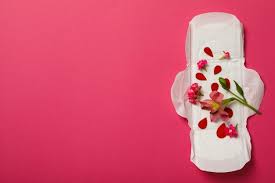
Aromatic or scented sanitary pads are usually promoted as a means to overcome the smell of menstruation.. But gynaecologists warn that fragrance in intimate products may do more harm than good, especially when used month after month.
According to Dr Sneha Kommineni, Consultant Medical Oncologist at Aster RV Hospital, there is a need to separate genuine health risks from common fears, while still being cautious about what comes into contact with the body during menstruation.
One of the most common concerns around menstrual products is cancer risk. Dr Kommineni offers reassurance.
“There is no direct evidence that using disposable sanitary pads causes cancer. There is no link between using menstrual products and an increased risk of cancer,” she says.
That said, research has found trace amounts of certain chemicals in menstrual products when they are used for prolonged periods. This has raised questions around irritation, sensitivity, and long-term exposure rather than cancer itself.
Fragrance is one of the biggest red flags when it comes to intimate hygiene.
“Fragrances are known to trigger allergic reactions. Women often experience itching and burning, along with altered vaginal pH and recurrent infections,” Dr Kommineni explains.
Chronic irritation caused by scented menstrual products can also complicate medical care. “Persistent irritation leads doctors to recommend complete avoidance of scented products, as they can interfere with the proper diagnosis of gynaecological disorders,” she adds.
Importantly, menstrual odour is natural and varies from person to person. Masking it with fragrance does not address the cause and may worsen intimate health issues.
Why fragrance can be a problem
Fragrance is one of the biggest red flags when it comes to intimate hygiene.
“Fragrances are known to trigger allergic reactions. Women often experience itching and burning, along with altered vaginal pH and recurrent infections,” Dr Kommineni explains.
Chronic irritation caused by scented menstrual products can also complicate medical care. “Persistent irritation leads doctors to recommend complete avoidance of scented products, as they can interfere with the proper diagnosis of gynaecological disorders,” she adds.
Importantly, menstrual odour is natural and varies from person to person. Masking it with fragrance does not
address the cause and may worsen intimate health issues.
address the cause and may worsen intimate health issues.
What about chemicals like phthalates, dioxins, and PFAS?
Some studies have detected chemical ingredients such as phthalates in pads and tampons.
“Phthalates are considered harmful and disruptive, but they are not proven to directly cause cancer,” says Dr Kommineni.
Dioxins, including TCDD, are chemicals that are known to trigger cancer at high or prolonged exposure levels. However, modern manufacturing has changed significantly.
“Earlier bleaching methods did contain dioxins, but today regulations are strict. According to the World Health Organisation, the amount of dioxins found in sanitary pads is minimal and not considered a major health risk,” she explains.
Recent studies have also detected PFAS in some reusable period products. While not found in all products, their presence has renewed discussions around transparency and safety in menstrual hygiene manufacturing.
Safer alternatives for menstrual hygiene
Doctors agree that choosing fragrance-free, breathable products is one of the simplest ways to protect intimate health.
Unscented, dye-free sanitary pads
These disposable pads avoid fragrances and dyes, reducing the risk of irritation and allergic flare-ups.
Cotton or organic pads
Pads with 100 per cent cotton topsheets, especially organic cotton, allow better airflow, reduce moisture buildup, and are gentler on sensitive skin.
Menstrual cups
Made from medical-grade silicone, menstrual cups contain no fragrances or absorbent chemicals. When used correctly, they are safe, cost-effective, and reduce the risk of irritation and infection.
Period underwear
Designed with breathable, moisture-wicking fabrics, period underwear limits chemical contact and works well for light to moderate flow.
Unscented tampons
Unscented tampons are safe when changed at regular intervals. However, they should not be used for extended periods or during sleep.
Menstrual odour is natural and does not need to be masked with fragrance. “Fragrance-free, breathable menstrual products provide better support for intimate health while maintaining comfort,” Dr Kommineni says. When it comes to period care, simpler choices are often safer ones. Choosing unscented products may not smell like flowers, but they help protect what matters most.
No Comments For This Post, Be first to write a Comment.
Most viewed from Health












Todays Epaper

English Weekly


AIMIM News








Latest Urdu News
Most Viewed
May 26, 2020
Is it right to exclude Bangladesh from the T20 World Cup?
Latest Videos View All
.jpg)
.jpg)
.jpg)



Like Us
Home
About Us
Advertise With Us
All Polls
Epaper Archives
Privacy Policy
Contact Us
Download Etemaad App
© 2026 Etemaad Daily News, All Rights Reserved.