




Bisleri row: Not all bottled water is mineral water
Tue 24 Nov 2026, 01:00:17
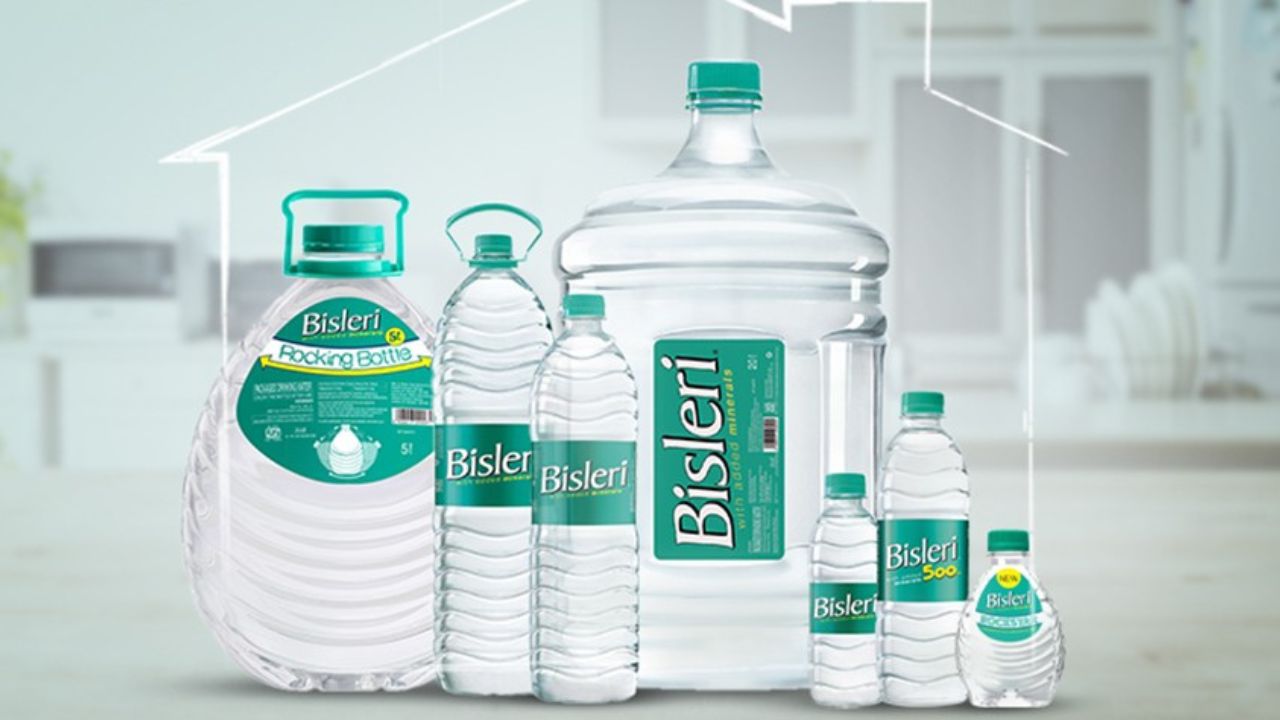
The bottle may look the same, the label may sound reassuring, and the water may be marketed as a symbol of purity. But packaged drinking water and natural mineral water are not the same product – and the difference goes beyond branding.
The Food Safety and Standards Authority of India (FSSAI) sanctioning prosecution against Bisleri International over a sample of packaged drinking water declared unsafe has brought this difference into sharper focus.
The sample, collected from the company's Goa facility, was initially found to contain bromate at 12 micrograms per litre, above the prescribed limit of 10 micrograms per litre. Subsequent referral testing also flagged polynuclear aromatic hydrocarbons (PAHs), according to the regulator.
Bisleri has contested the findings, saying independent testing found bromate within permissible limits and that the matter related to a single batch manufactured in September 2025. The company has maintained that its water is safe for consumption.
The controversy, however, raises an important question: What exactly are consumers buying when they pick up a bottle labelled drinking water or mineral water?
Most bottled water sold in India is packaged drinking water, regulated under IS 14543. It can be sourced from municipal supplies, groundwater or other permitted sources, but undergoes treatment before it is packaged and
sold.
The processing can include filtration, reverse osmosis (RO), ultraviolet disinfection, ozonation and remineralisation, depending on the source water and treatment requirements. The objective is to remove impurities, contaminants and microorganisms and ensure the final product meets prescribed safety standards.
Natural mineral water, meanwhile, is regulated under IS 13428, food safety specialists explain. It comes from protected underground sources and is characterised by its naturally occurring mineral composition, which must remain relatively stable.
It is bottled close to the source under hygienic conditions and cannot undergo the same extensive treatment processes used for packaged drinking water.
While the two standards cover similar safety parameters, the difference lies in the sourcing of water and the treatments permitted, says Saurabh Arora, managing director, Auriga Research, an analytical testing and contract research firm.
Natural mineral water is bottled directly at the source without processes such as RO filtration or additional chlorination, he explains.
The distinction does not mean one is automatically safer than the other. Both products must comply with safety requirements, including microbiological and chemical parameters. Natural mineral water is not exempt from scrutiny simply because it comes from an underground source, he insists.
No Comments For This Post, Be first to write a Comment.
Most viewed from Health













Todays Epaper

English Weekly


AIMIM News





Latest Urdu News
Most Viewed
Aug 02, 2026
Should the government impose stricter measures to control air pollution in Indian cities?
Like Us
Home
About Us
Advertise With Us
All Polls
Epaper Archives
Privacy Policy
Contact Us
Download Etemaad App
© 2026 Etemaad Daily News, All Rights Reserved.