




Anaemia mostly mild but over half of India's women remain affected, says Govt
Tue 24 Nov 2026, 01:01:59
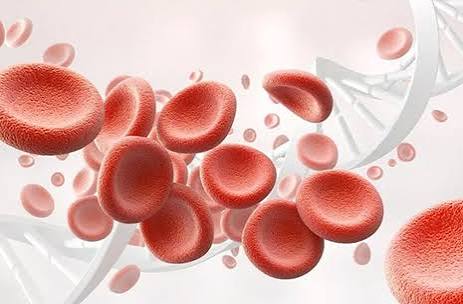
India's latest national nutrition survey has found that more than half of women of reproductive age and nearly half of adolescent girls are anaemic, even as the government has underlined that most cases fall in the mild category and severe anaemia accounts for less than 2% in most age groups.
The findings of the Indian Council of Medical Research – National Institute of Nutrition (ICMR- NIN)'s Survey for Assessment of Markers of Population Health, Activity, Diet and Anthropometry (SAMPADA), conducted between 2023 and 2025, offer fresh national estimates of anaemia after the condition's prevalence figures were missing from the recently released National Family Health Survey-6 (NFHS-6).
Anaemia is a condition in which the number of red blood cells or the haemoglobin concentration within them is lower than normal. This results in symptoms such as fatigue, weakness, dizziness and shortness of breath, among others, and can be life-threatening in extreme
cases.
The most common nutritional cause of anaemia is iron deficiency, although deficiencies in folate, vitamins B12 and A can also lead to the condition.
The survey covered more than 2 lakh individuals from over 81,000 households across 183 districts in 35 states and Union Territories. More than 1.7 lakh blood samples were analysed to estimate haemoglobin levels.
According to SAMPADA, anaemia prevalence stands at 42% among children aged 12–59 months, 46% among adolescent girls aged 10–19 years and 56% among women of reproductive age. Among adolescent boys and men aged 20–59 years, the prevalence is around 22–23%.
The figures point to a continuing and substantial public health burden, particularly among women and girls. They also come against the backdrop of India's decades-long efforts to tackle anaemia through iron and folic acid supplementation, screening and treatment programmes.
No Comments For This Post, Be first to write a Comment.
Most viewed from Health








Todays Epaper

English Weekly

AIMIM News




Latest Urdu News
Most Viewed
Aug 02, 2026
Should the government impose stricter measures to control air pollution in Indian cities?
Like Us
Home
About Us
Advertise With Us
All Polls
Epaper Archives
Privacy Policy
Contact Us
Download Etemaad App
© 2026 Etemaad Daily News, All Rights Reserved.