




Air pollution linked to higher suicide risk and suicidal behavior: Study
Thu 17 Sep 2026, 00:58:37
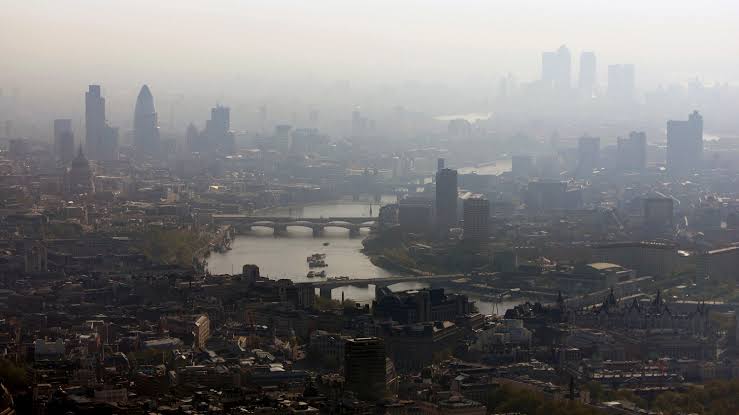
Air pollution may be linked to a higher risk of suicide, suicide attempts and suicidal thoughts, according to a new international review of research. Scientists found that exposure to some common air pollutants, particularly fine particulate matter and nitrogen dioxide, was associated with an increased risk of suicidal behaviour.
The findings come from researchers at Queen’s University Belfast, who looked at existing evidence on how different forms of environmental pollution may affect suicide risk. Their study examined air pollution as well as noise, light and water pollution.
The researchers conducted a meta analysis of 29 studies and found evidence linking exposure to small airborne particles and nitrogen dioxide with suicide and suicidal behaviour. A further review of 16 studies suggested that other pollutants, including sulphur dioxide and ozone, as well as noise pollution, may also be associated with increased suicide risk.
However, researchers stressed that the findings show an association and do not prove that pollution directly causes suicidal thoughts or
behaviour.
behaviour.
The researchers said their findings suggest that environmental exposures could be considered as part of wider suicide prevention and public health strategies.
They called for greater cooperation between environmental health and mental health services, along with efforts to reduce harmful pollution.
At the same time, experts stressed that suicide is complex and can be influenced by many different social, psychological, economic and health related factors. Pollution should therefore not be viewed as a standalone explanation for suicidal behaviour or as a tool for predicting an individual's suicide risk.
According to the World Health Organization, more than 720,000 people die by suicide globally each year. Suicide is also among the leading causes of death among young people aged 15 to 29.
The new research adds another possible environmental factor to the discussion around suicide and mental health, but further studies will be needed to determine whether pollution directly contributes to suicide risk and, if so, how that relationship works.
No Comments For This Post, Be first to write a Comment.
Most viewed from Health













Todays Epaper

English Weekly


AIMIM News




Latest Urdu News
Most Viewed
Aug 02, 2026
Should children under 16 be restricted from using social media?
Like Us
Home
About Us
Advertise With Us
All Polls
Epaper Archives
Privacy Policy
Contact Us
Download Etemaad App
© 2026 Etemaad Daily News, All Rights Reserved.