




7 foods that support your health as Delhi's air quality is worsening
Thu 12 Nov 2026, 23:40:05
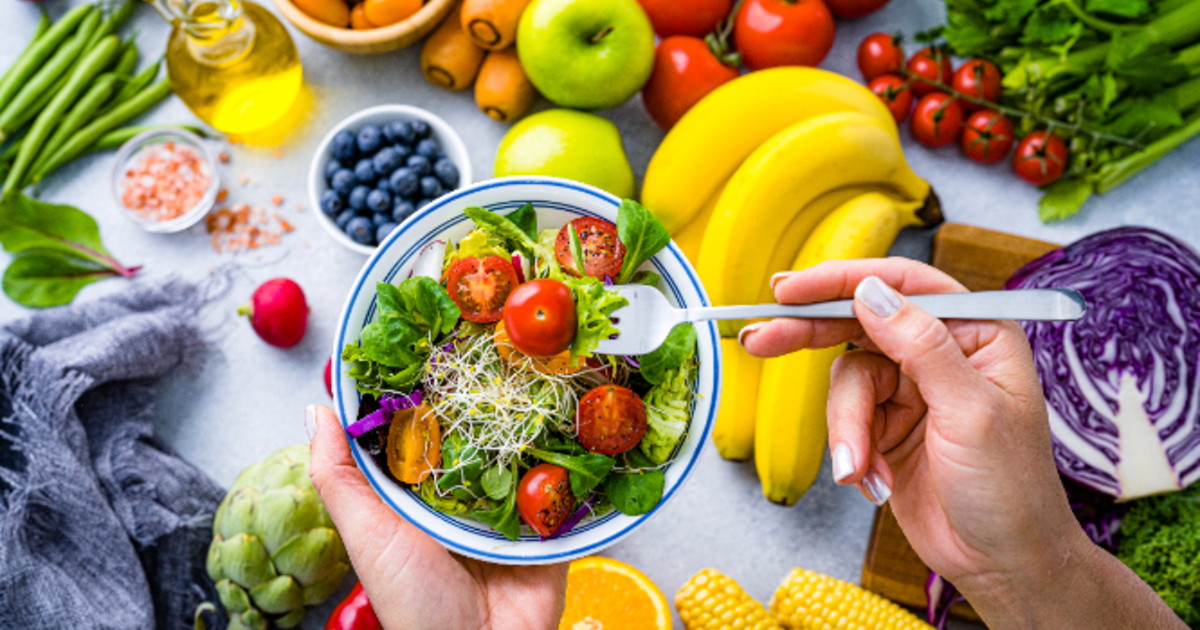
Delhi's air is getting harder to breathe. But can changing your diet help your body cope with pollution? Here's what experts recommend.
As Delhi-NCR continues to grapple with worsening air quality, concerns about the health effects of prolonged exposure to pollution are growing. While wearing a well-fitted N95 mask, limiting outdoor activities and keeping indoor air clean are important precautions, diet is another aspect worth paying attention to.
According to Dt. Deepali Sharma, Clinical Nutritionist at CK Birla Hospital, Delhi, and Sakshi Lalwani, Clinical Nutritionist, Expert – SunBridge Consumers, a balanced diet rich in antioxidants, vitamins, minerals and fibre can support overall health and the body's normal defence mechanisms.
Dr Saurabh Bansal, Gastrointestinal, Laparoscopic & Robotic Surgeon, Founder and Director, THE CLINICS, New Delhi, also explains how prolonged exposure to air pollution may affect gut health.
While no food can prevent pollutants from entering the body or reverse the damage caused by toxic air, making balanced food choices can help the body maintain its normal functions.
Air pollution is not limited to respiratory irritation. Fine particulate matter, particularly PM2.5, can enter deep into the lungs and trigger inflammation and oxidative stress. This happens when harmful molecules called free radicals accumulate and damage cells.
Prolonged exposure can affect several organs, including the lungs and cardiovascular system. It may lead to irritation of the eyes, nose and throat, coughing, wheezing, breathlessness and worsening of existing respiratory conditions such as asthma.
Nutrition cannot eliminate these effects. However, a varied and balanced diet can provide nutrients that support normal immune function and cellular health.
7 FOODS THAT CAN SUPPORT YOUR BODY DURING HIGH POLLUTION
A diet rich in colourful fruits, vegetables, whole grains, nuts and seeds can provide antioxidants and other essential nutrients. Here are seven food groups worth including in your daily meals.
1. CITRUS FRUITS AND AMLA
Oranges, sweet lime, lemons, guava and amla are rich in vitamin C, an antioxidant that helps protect cells from oxidative damage. Vitamin C also supports normal immune function.
How to include them: Have seasonal fruits as snacks, add lemon to meals or include fresh amla in your diet.
2. GREEN LEAFY VEGETABLES
Spinach, fenugreek leaves and other green vegetables provide vitamins, minerals and carotenoids that support overall health. They also contribute to a diet rich in protective plant compounds.
How to include them: Add leafy vegetables to dals, sabzis, soups or salads.
3. BERRIES AND COLOURFUL FRUITS
Berries, pomegranates and other colourful fruits contain polyphenols and antioxidant compounds. Including a variety of fruits can help improve the overall antioxidant content of your diet.
How to include them: Eat them whole, add them to breakfast or combine them with unsweetened yoghurt.
4. NUTS AND SEEDS
Walnuts, almonds, flaxseeds and chia seeds provide healthy fats, vitamin E and other nutrients. Vitamin E acts as an antioxidant and helps protect cells from oxidative damage.
How to include them: Add a small portion of nuts and
seeds to your breakfast or have them as a snack.
seeds to your breakfast or have them as a snack.
5. TOMATOES
Tomatoes contain lycopene, a carotenoid with antioxidant properties. Including tomatoes as part of a balanced diet can contribute to overall antioxidant intake.
How to include them: Use fresh tomatoes in salads, soups, dals and cooked vegetables.
6. TURMERIC, GINGER AND GARLIC
Turmeric contains curcumin, a compound studied for its anti-inflammatory properties. Ginger and garlic also contain bioactive compounds that contribute to a varied diet.
However, eating these spices does not guarantee protection against pollution-related inflammation.
How to include them: Use turmeric, ginger and garlic in everyday home-cooked meals rather than relying on concentrated supplements.
7. WHOLE GRAINS AND LEGUMES
Oats, millets, whole wheat, lentils, chickpeas and beans provide fibre, vitamins, minerals and other nutrients. Their inclusion supports gut health and overall nutritional well-being.
How to include them: Choose whole grains over refined alternatives and include dals, beans and legumes regularly.
FOODS AND HABITS YOU SHOULD LIMIT
Along with including nutrient-rich foods, everyday eating habits also matter. During periods of poor air quality, try to:
. Limit highly processed foods that are high in added sugar and unhealthy fats
. Avoid excessive consumption of sugary drinks
. Reduce frequent consumption of deep-fried foods
. Avoid smoking and exposure to second-hand smoke
. Do not replace balanced meals with antioxidant supplements or detox drinks
. There is no proven detox food, juice or supplement that can cleanse the lungs of pollution particles
The short answer is no. A nutritious diet can support overall health, but it cannot act as a shield against polluted air. Even people who eat well can experience the harmful effects of prolonged exposure to PM2.5 and other pollutants.
The most effective approach is to combine healthy eating with practical pollution-control measures:
. Check the AQI before stepping outdoors
. Reduce strenuous outdoor exercise when pollution levels are high
. Wear a properly fitted N95 respirator when outdoor exposure is unavoidable
. Keep windows closed during periods of severe outdoor pollution, where appropriate
. Use a suitable air purifier indoors
. Avoid indoor smoking, incense and other sources of smoke
People with asthma, COPD, heart disease and other existing health conditions should take extra precautions and follow their doctor's advice.
Delhi's air pollution cannot be tackled through food alone. A diet rich in fruits, vegetables, nuts, seeds and whole grains can support the body's normal antioxidant and immune functions, but it cannot prevent the harmful effects of breathing polluted air.
The focus should be on eating balanced meals, staying adequately hydrated and reducing exposure to outdoor and indoor pollutants. When air quality deteriorates, combining good nutrition with appropriate protective measures is far more important than relying on any single food or so-called superfood.
No Comments For This Post, Be first to write a Comment.
Most viewed from Health











Todays Epaper

English Weekly


AIMIM News





Latest Urdu News
Most Viewed
Aug 02, 2026
Should India introduce stricter laws against AI-generated fake videos and images?
Like Us
Home
About Us
Advertise With Us
All Polls
Epaper Archives
Privacy Policy
Contact Us
Download Etemaad App
© 2026 Etemaad Daily News, All Rights Reserved.