




7 everyday household items you should replace for better health
Wed 08 Jul 2026, 01:05:18
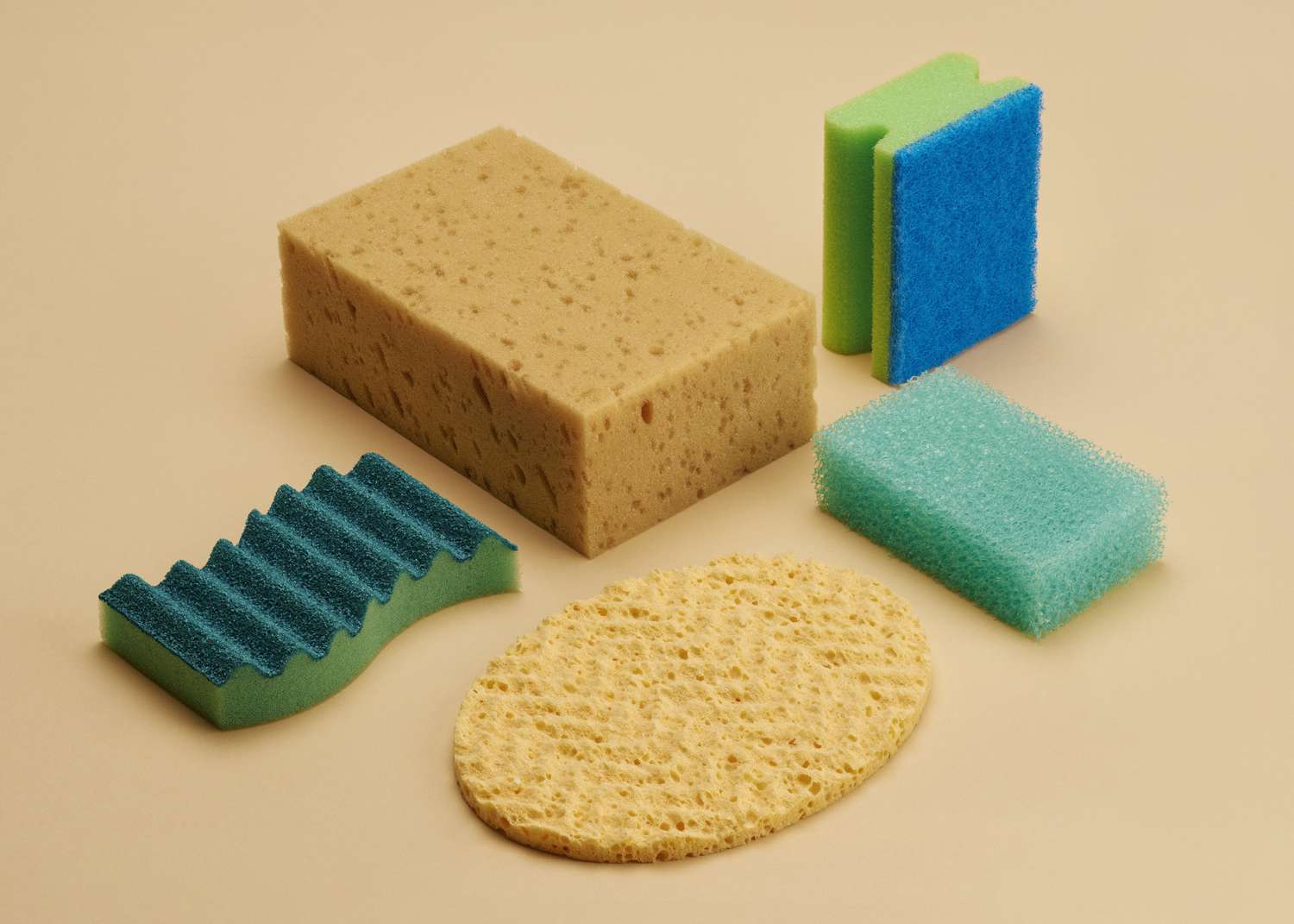
Most of us replace things only when they break. But many everyday household items can become less effective or even unhygienic long before that happens. Items we use daily, such as toothbrushes, kitchen sponges, pillows, and water filters, gradually collect bacteria, mould, dust mites, and allergens. Even with regular cleaning, they can wear out over time and may no longer do their job properly.
Studies and experts say replacing these items at the right time is an easy habit that can improve hygiene and reduce the risk of infections, allergies, and poor indoor air quality. Here are eight household essentials that deserve regular replacement.
1. TOOTHBRUSH
Toothbrush bristles wear down with use, making them less effective at cleaning teeth and gums. Replace your toothbrush every 3–4 months, or sooner if the bristles become frayed or after recovering from an illness.
2. KITCHEN SPONGE
Kitchen sponges stay damp and trap food particles, making them one of the biggest sources of bacteria in the home. Even if disinfected, germs quickly return. Replace your sponge every 1–2 weeks.
3. PILLOW
Over time, pillows collect sweat, dead skin cells, dust mites, and allergens. They also lose their ability to support your neck properly. Experts recommend replacing pillows every 1–2 years, depending on the
material.
material.
4. PLASTIC CHOPPING BOARD
Knife marks create small grooves where bacteria can hide, even after washing. If your chopping board has deep scratches, cracks, or stains that won't come off, it's time for a new one.
5. AIR CONDITIONER FILTER
A clogged AC filter can circulate dust, pollen, and other particles instead of trapping them. This may worsen allergies and reduce cooling efficiency. Clean or replace the filter every 1–3 months, depending on use and the manufacturer's instructions.
6. BATH TOWEL
Even after washing, towels gradually lose absorbency and can harbour bacteria if they stay damp for long periods. Replace bath towels every 1–2 years, especially if they develop a musty smell or frayed fabric.
7. NON-STICK COOKWARE
When the non-stick coating starts peeling, chipping, or scratching badly, the pan no longer performs well and should be replaced. Using wooden or silicone utensils can help extend their lifespan.
Many household items don't come with a visible expiry date, making it easy to keep using them for years. However, replacing them at the right time can help reduce the build-up of germs and allergens while ensuring they continue to work as intended. A quick check around your home could be all it takes to create a cleaner, healthier living environment for you and your family.
No Comments For This Post, Be first to write a Comment.
Most viewed from Health








Todays Epaper

English Weekly


AIMIM News





Latest Urdu News
Most Viewed
Aug 02, 2026
Should UPI payments remain completely free for all transactions?
Like Us
Home
About Us
Advertise With Us
All Polls
Epaper Archives
Privacy Policy
Contact Us
Download Etemaad App
© 2026 Etemaad Daily News, All Rights Reserved.