




40% rise in hip replacements among post-Covid patients in their 30s and 40s
Tue 26 May 2026, 01:05:33
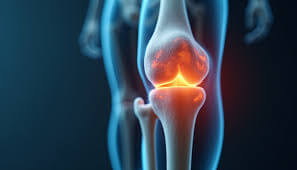
A new post-pandemic health concern is slowly emerging in India, and orthopaedic experts say it is affecting people much younger than expected. Doctors are now witnessing a sharp rise in cases of hip arthritis and avascular necrosis (AVN), a painful condition caused by reduced blood supply to the hip bone.
What is especially worrying is that many patients are in their 30s and 40s, age groups that traditionally were not considered at high risk for severe hip damage.
The issue was highlighted at the 2nd DELHI HIP 360 Conference held in New Delhi, where leading orthopaedic surgeons and joint replacement specialists discussed the growing number of young adults requiring Total Hip Replacement (THR) surgeries after recovering from COVID-19.
Experts believe that prolonged or excessive use of steroids during COVID treatment may have played a major role in triggering these complications in some patients.
Doctors say the problem often develops silently. Many people initially ignore symptoms such as mild groin pain, stiffness, limping, or discomfort while walking, assuming it is due to muscle strain or fatigue.
However, in AVN, the bone tissue begins to die because of poor blood supply.
Over time, this can cause the hip joint to collapse completely, making surgery the only option left to restore mobility.
Over time, this can cause the hip joint to collapse completely, making surgery the only option left to restore mobility.
According to experts speaking at the conference, hospitals are now seeing a nearly 40 per cent rise in hip replacement surgeries among younger individuals compared to pre-pandemic years. This increase has raised concerns among doctors, especially because these patients may have to live with the effects of joint damage for decades.
Dr L Tomar, Organising Chairman of DELHI HIP 360 and Director of Orthopaedics and Joint Replacement at Max Hospital, Delhi, said steroids were important and life-saving during the pandemic, but indiscriminate use may have long-term consequences.
?We are observing a 40 per cent rise in hip replacement surgeries in younger people. Steroids played a life-saving role during the Covid pandemic. Still, indiscriminate or prolonged use in some patients has been associated with a rise in osteonecrosis and early degenerative changes in the hip joint,? he explained.
He further added that many younger patients are now coming to hospitals with severe damage to the hip bone, collapse of the femoral head, and advanced arthritis that requires early hip replacement surgery.
No Comments For This Post, Be first to write a Comment.
Most viewed from Health










Todays Epaper

English Weekly


AIMIM News



Latest Urdu News
Most Viewed
Aug 02, 2026
Should India introduce stricter laws against AI-generated fake videos and images?
Like Us
Home
About Us
Advertise With Us
All Polls
Epaper Archives
Privacy Policy
Contact Us
Download Etemaad App
© 2026 Etemaad Daily News, All Rights Reserved.