




Health diet may offset inherited cholesterol risk in Indians: Study
Fri 23 Oct 2026, 01:08:53
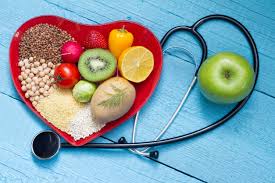
Indian adults who carry certain genetic variants may see their cholesterol climb only when their diet is poor, according to a new study from the Madras Diabetes Research Foundation (MDRF), Chennai and the University of Reading in the UK. In other words people who have better diet on a regular basis can offset the genetic risk of high blood cholesterol levels.
The research has been published this month.
The finding lands in a country already struggling with cardiometabolic diseases. India is seeing an alarmingly growing burden of diabetes, dyslipidaemia or high blood lipid levels and cardiovascular illness, while eating habits shift towards refined carbohydrates, fats, sugar and salt and away from fruits, vegetables and other nutritious foods.
Just months ago, a landmark new national study by the Indian Council of Medical Research (ICMR) and MDRF, as part of their INDIAB series, had shown that nearly nine out of 10 Indian adults (87.3%) have dyslipidaemia, a risk factor for cardiovascular diseases and life-threatening events such as heart attacks and strokes.
An estimated 101 million Indians have diabetes, another 136 million have prediabetes and 356 million live with hypertension. An extensive study by the Indian Council of Medical Research (ICMR) and MDRF that came out last year, had shown that 62.3 % of daily calories in a typical Indian diet come from carbohydrates, much of it simple or low-quality carbohydrates.
Against this backdrop, the latest findings provide important new insights into how genetic factors and dietary habits interact to influence cholesterol levels and that it can be avoided.
“Our genes need not determine our metabolic destiny,” said Dr V Mohan, chairperson of MDRF and a co-author.
The researchers analysed
1,020 adults aged 25 to 80, including 452 men and 568 women, drawn from the Chennai Urban Rural Epidemiology Study. They looked at three genetic variants in two genes, TCF7L2 and FTO, both previously linked to diabetes and metabolic disorders.
1,020 adults aged 25 to 80, including 452 men and 568 women, drawn from the Chennai Urban Rural Epidemiology Study. They looked at three genetic variants in two genes, TCF7L2 and FTO, both previously linked to diabetes and metabolic disorders.
Diet was scored on the Indian Diet Quality Score, which rates intake across eight food groups: pulses and legumes, fruits and vegetables, milk products, white rice, edible fats and oils, added sugar, added salt, and poultry and eggs.
Among people eating poorly, those with higher genetic risk had markedly higher total and LDL, or “bad”, cholesterol than those with lower genetic risk.
Dr Mohan said the gap disappeared among people on medium- or high-quality diets. The interaction between diet and genes was statistically significant for total cholesterol and LDL , even after correcting for multiple comparisons. Higher genetic risk was also tied to higher fasting blood glucose and HbA1c, a marker of long-term blood sugar.
In practical terms, carrying the risk variants did not guarantee poor cholesterol numbers. The penalty showed up mainly when the plate was poor.
The authors also stress that the overall pattern of eating matters more than any single nutrient, a point that runs against the habit of fixating on one food or ingredient at a time.
K S Vimaleswaran, senior scientist at Reading, said people cannot change the genes they inherit but can improve their dietary habits. The scientist recommended plenty of fruits, vegetables and pulses, with moderation in refined carbohydrates, added sugar, salt and unhealthy fats.
First author Dr Manahil M Bineid, also of Reading, said the results reinforce healthy eating for Indians, who already face an elevated risk of diabetes and heart disease.
No Comments For This Post, Be first to write a Comment.
Most viewed from Entertainment











Todays Epaper

English Weekly


AIMIM News



Latest Urdu News
Most Viewed
Aug 02, 2026
Should India introduce stricter laws against AI-generated fake videos and images?
Like Us
Home
About Us
Advertise With Us
All Polls
Epaper Archives
Privacy Policy
Contact Us
Download Etemaad App
© 2026 Etemaad Daily News, All Rights Reserved.