




Hyderabad student builds a satellite device for villages that works without internet
Tue 10 Nov 2026, 00:55:11
Aagam Jain was on a mountain-climbing trip near Dehradun when he encountered a problem that would eventually turn into a school project with a larger purpose. Poor mobile connectivity made it difficult to access weather information, while conversations with local villagers helped him understand how changing weather and snowfall could disrupt everyday life in remote mountain communities, as per a LinkedIn post shared by Indus International School, Hyderabad.
Instead of letting the experience remain just another travel memory, the Grade 12 student and Head Boy at Indus International School, Hyderabad, decided to work on a solution.
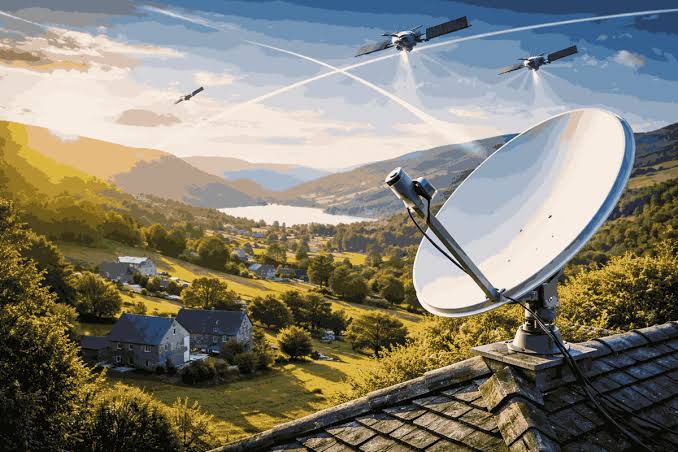
Aagam developed SummitSathi, a satellite-based weather receiver that can download weather images directly from passing satellites without depending on the internet or mobile networks.
Each unit costs approximately Rs 68,000. Aagam is now preparing to provide the devices free of charge to 10 villages in Himachal Pradesh's Mandi district.
Unlike conventional weather applications, which
require an internet connection to display updates, SummitSathi receives signals directly from weather satellites and converts them into cloud images that can be viewed locally.
require an internet connection to display updates, SummitSathi receives signals directly from weather satellites and converts them into cloud images that can be viewed locally.
The device was first field-tested near Dehradun. Following the trial, Aagam refined the technology and developed a simple grading scale to help users interpret the weather conditions shown through the images.
This is particularly relevant for remote Himalayan communities, where heavy rain and snowfall can disrupt mobile connectivity and make access to information difficult.
The project is also designed to be community-led. Rather than depending entirely on outside technical support, the idea is to make the equipment accessible to local residents.
However, SummitSathi is not an automated weather forecasting or cloudburst prediction system. It does not replace official India Meteorological Department forecasts or government alerts. Instead, it aims to provide an additional source of weather information when regular communication channels fail.
No Comments For This Post, Be first to write a Comment.
Most viewed from Edu and Jobs











Todays Epaper
English Weekly


AIMIM News




Latest Urdu News
Most Viewed
Aug 02, 2026
Should India introduce stricter laws against AI-generated fake videos and images?
Like Us
Home
About Us
Advertise With Us
All Polls
Epaper Archives
Privacy Policy
Contact Us
Download Etemaad App
© 2026 Etemaad Daily News, All Rights Reserved.