




Even 95% secondary school completion may take until 2105 worldwide, warns UNESCO
Thu 29 Oct 2026, 11:22:55
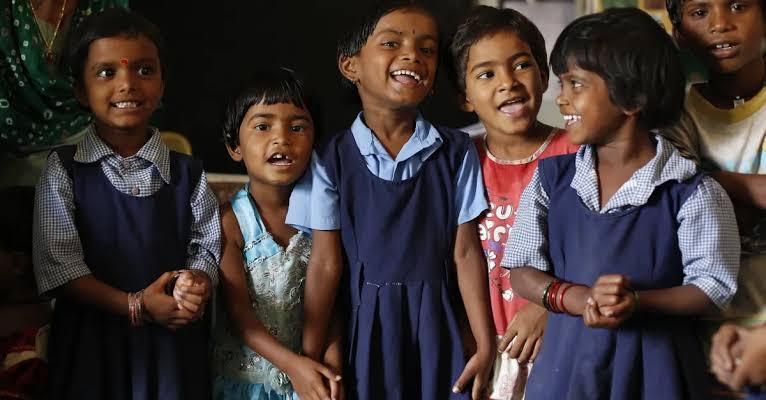
The world has made decades of progress in getting children through school. Yet, if current trends continue, it could take until 2105 for 95% of young people to complete upper-secondary education, according to UNESCO’s Global Education Monitoring Report 2026.
That is a sobering projection for a world that has repeatedly committed to making education accessible to all.
UNESCO’s data show that global primary completion rose from 77% in 2000 to 88% in 2024. Over the same period, lower-secondary completion increased from 60% to 78%, while upper-secondary completion climbed from just 37% to 61%.
The gains are substantial, but the figures also reveal where the biggest challenge remains. Nearly four in 10 young people worldwide still do not complete upper-secondary education.
At the current pace, the target remains far beyond the
horizon for today’s school-age children. The report’s projection suggests that improving access alone will not be enough. Education systems must also ensure that students stay in school and complete each stage.
horizon for today’s school-age children. The report’s projection suggests that improving access alone will not be enough. Education systems must also ensure that students stay in school and complete each stage.
The report highlights the difference between completing school on time and completing it eventually. Late entry and grade repetition can delay students’ progress, meaning some finish several years after the expected age.
Globally, the gap between timely and eventual lower-secondary completion stands at four percentage points. In low-income countries, it widens to nine percentage points.
There has been progress on repetition. Since 2000, grade repetition has fallen by 62% in primary education and 38% in lower-secondary education. But the broader completion figures show that gains in schooling have not yet translated into near-universal completion.
No Comments For This Post, Be first to write a Comment.
Most viewed from Edu and Jobs










Todays Epaper

English Weekly


AIMIM News



Latest Urdu News
Most Viewed
Aug 02, 2026
Should India introduce stricter laws against AI-generated fake videos and images?
Like Us
Home
About Us
Advertise With Us
All Polls
Epaper Archives
Privacy Policy
Contact Us
Download Etemaad App
© 2026 Etemaad Daily News, All Rights Reserved.