




Air pollution needs a Covid-like response: Dr Soumya Swaminathan
Wed 11 Nov 2026, 01:13:49
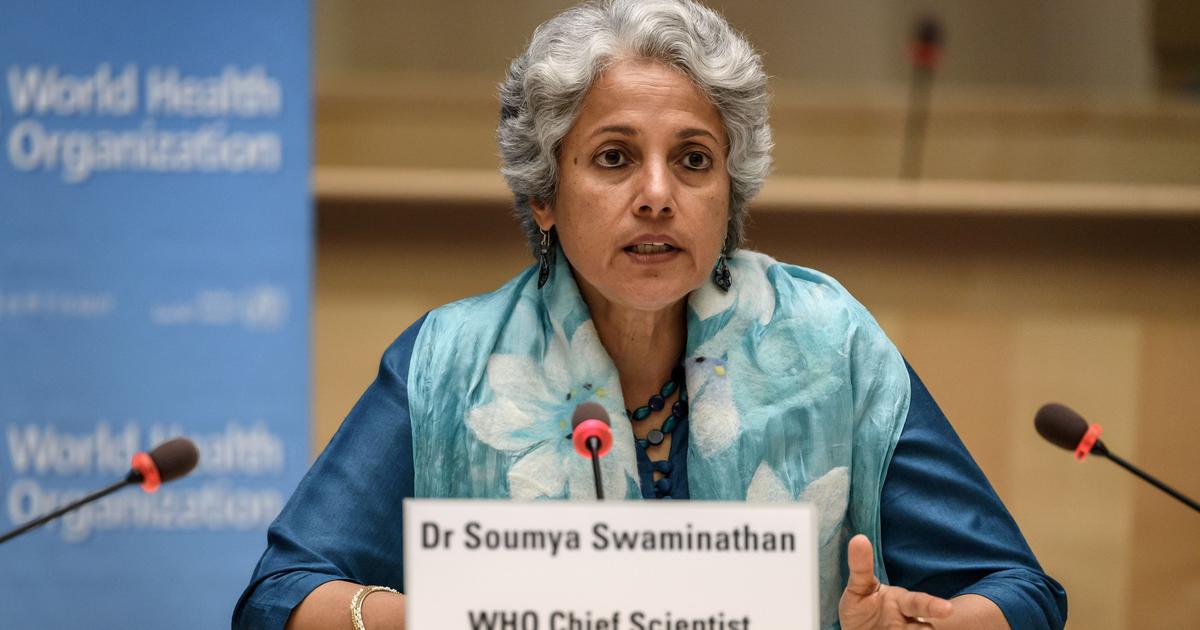
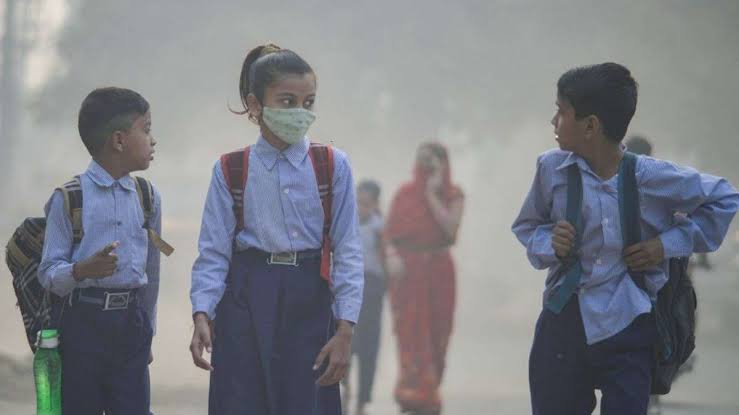
The post-Diwali pollution spike has once again pushed Delhi and several other Indian cities into hazardous air quality levels, bringing back familiar concerns about respiratory illnesses, hospital admissions and the health risks of prolonged exposure. But the consequences of India's pollution crisis could extend far beyond the immediate coughing, breathlessness and worsening asthma episodes.
Warning that the country is underestimating the scale of the health threat, Dr Soumya Swaminathan, former chief scientist at the World Health Organization (WHO), says air pollution must be treated as a public health emergency rather than an annual environmental problem.
She believes India needs the kind of coordinated, high-level government response it mounted during Covid-19, backed by substantial funding, clear accountability and a long-term action plan.
In an interview, Dr Swaminathan described the current approach as "too little, too late", cautioning that the damage is already beginning at pollution levels that many people may consider relatively safe.
Her biggest concern, however, is the impact on children, including those who are exposed to polluted air even before they are born. "These kids are not going to grow up to be very healthy adults. This is the sad, sad reality," she warned.
Dr Swaminathan says air pollution is among the biggest risk factors for health today, with an impact extending well beyond the lungs. Citing estimates from the Indian Council of Medical Research (ICMR), she pointed to approximately two million deaths in India every year linked to air pollution.
Unlike smoking, another major health risk that individuals can choose to avoid, exposure to polluted air is largely beyond an individual's control. Hundreds of millions of Indians are breathing it, often throughout the year.
While the Indo-Gangetic plains face particularly high pollution levels, she cautioned against treating this as a Delhi-NCR problem. Cities in other parts of the country, including Assam, have also featured among India's most polluted locations.
What worries her most is the exposure of pregnant women, unborn babies and young children. Children breathe faster than adults, their organs are still developing and their proximity to the ground exposes them to pollutants that can be present in higher concentrations closer to the surface.
The consequences could be long-lasting. Pollution can interfere with the development of children's bodies, brains and cognitive functions, with some
effects potentially becoming clearer only decades later.
effects potentially becoming clearer only decades later.
Emerging research is also pointing towards links between air pollution and neurodegenerative conditions such as dementia and Parkinson's disease, besides metabolic disorders such as diabetes. Swaminathan believes pollution could add to India's already substantial diabetes burden.
She also flagged concerns about lung cancer, pointing to the growing number of cases among non-smokers. Recounting conversations with thoracic surgeons, she said they have reported seeing blackened lungs even in teenagers undergoing surgery.
One of the biggest obstacles, Dr Swaminathan believes, is the absence of a consolidated picture of how pollution is affecting people's health.
Hospital admissions, outpatient visits, intensive care admissions and deaths are recorded across different institutions and government departments. Bringing this information together could help authorities identify pollution-related health spikes, vulnerable populations and the areas requiring urgent intervention.
She proposed a national climate and health data platform that brings together health records, air pollution measurements and meteorological information. Such a system could help policymakers identify hotspots and decide where resources should be directed.
She also pointed to government analysis suggesting that the imposition of GRAP Stage IV restrictions over a few days could save 3,000-4,000 lives. This, she said, demonstrates the potentially immediate consequences of reducing exposure to severe pollution.
But the larger response cannot depend on emergency restrictions alone.
Drawing a parallel with India's COVID-19 response, Dr Swaminathan said the country needs leadership at the highest level, with different ministries and state governments working together, dedicated financing and clearly assigned responsibilities.
"The same sort of urgency should be brought to air pollution," she said, arguing that the issue must transcend political differences because it is fundamentally about public health.
She also proposed setting up an environmental health regulatory agency to address the growing health threats arising from environmental exposures.
Her message to policymakers is that India already has enough scientific evidence to identify the sources of pollution and the interventions needed to tackle them. What is missing is the political will to translate that knowledge into sustained action.
No Comments For This Post, Be first to write a Comment.
Most viewed from Edu and Jobs




Todays Epaper
English Weekly

AIMIM News

Latest Urdu News
Most Viewed
Aug 02, 2026
Should India introduce stricter laws against AI-generated fake videos and images?
Like Us
Home
About Us
Advertise With Us
All Polls
Epaper Archives
Privacy Policy
Contact Us
Download Etemaad App
© 2026 Etemaad Daily News, All Rights Reserved.