




133 million girls still out of school, regional gaps remain: UNESCO Report
Wed 22 Oct 2025, 01:27:16
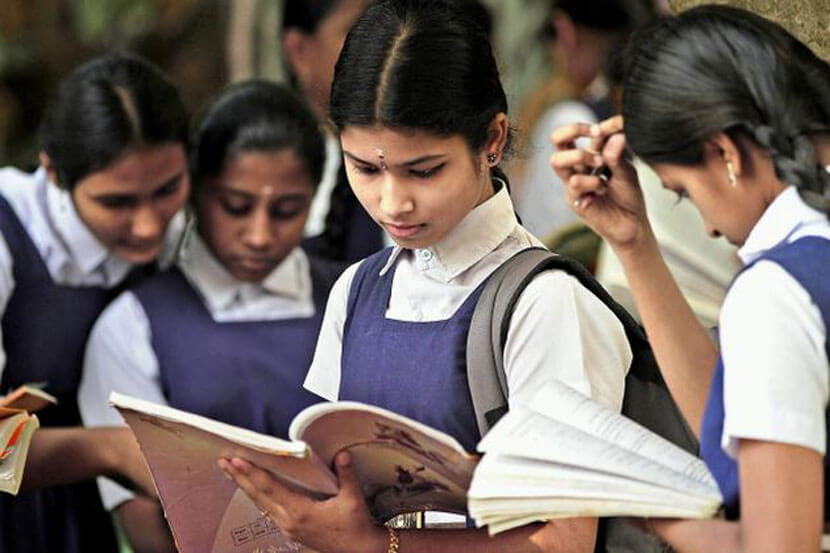
Even as the world makes strides toward gender equality in education, 133 million girls remain out of school. If urgent action is not taken, these girls risk losing the chance to build their futures, while communities miss out on the social and economic benefits that education brings.
Three decades after the Beijing Declaration set the goal of full gender equality in education, UNESCO reports that significant strides have been made, but persistent gaps and regional disparities remain.
Since 1995, girls' enrolment rates in primary, lower, and upper secondary education have reached near parity with boys. Globally, 91 million more girls now attend primary school, and 136 million more are in secondary education compared to three decades ago. Enrolment in tertiary education has more than tripled, rising from 41 million to 139 million
women.
women.
Progress varies sharply by region. Central and Southern Asia have achieved parity in secondary school enrolment, while sub-Saharan Africa continues to lag.
In Oceania, girls have fallen behind, whereas in Latin America and the Caribbean, boys are less likely than girls to continue to secondary education. Poverty and rural location exacerbate educational disadvantages, particularly in countries such as Guinea and Mali, where very few young women attend school.
Despite gains in enrolment, many countries still struggle with quality and inclusivity. Sexuality education is compulsory in only about two-thirds of countries at the primary level and three-quarters at the secondary level. Textbooks in various contexts continue to reinforce gender stereotypes, limiting the transformative power of education.
No Comments For This Post, Be first to write a Comment.
Most viewed from Edu and Jobs






.jpg)



Todays Epaper

English Weekly


AIMIM News






Latest Urdu News
Most Viewed
May 26, 2020
Which cricket teams will reach the IPL 2026 finals?
Latest Videos View All
.jpg)
.jpg)
.jpg)


Like Us
Home
About Us
Advertise With Us
All Polls
Epaper Archives
Privacy Policy
Contact Us
Download Etemaad App
© 2026 Etemaad Daily News, All Rights Reserved.